



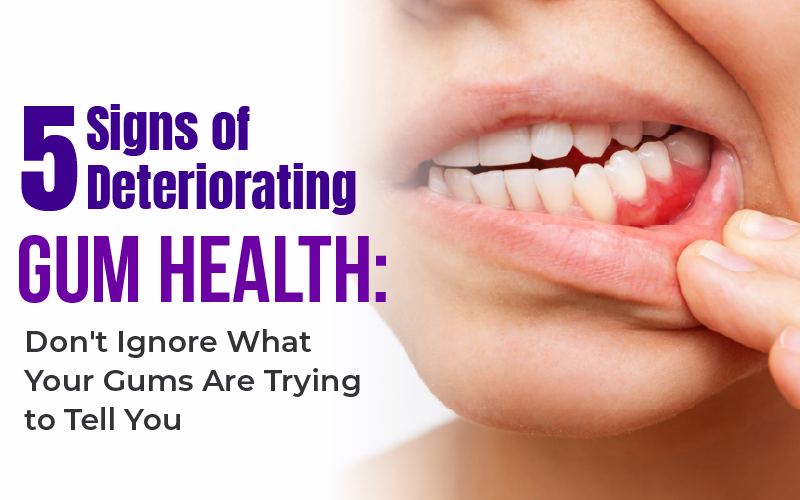
It’s great to have a bright smile. It’s nice to have white teeth, but it’s your gums doing the real work. They help keep your teeth, protect your bone, and prevent germs from reaching your gums. They are practically unnoticeable as long as they feel like their ordinary self. When the gums are not fine, you’ll notice them nonetheless.
This is probably why gum disease is tricky. You don’t tend to notice it due to the absence of severe pain. The first signals are very mild– slight bleeding, some sensitivity, perhaps bad breath. These symptoms then get easily ignored.
According to the CDC, it is estimated that almost fifty percent of adults aged 30 and above experience gum disease.
If your gums have been bothering you, here are five signs to take note of.
1. Bleeding While Brushing or Flossing Isn’t “Normal”
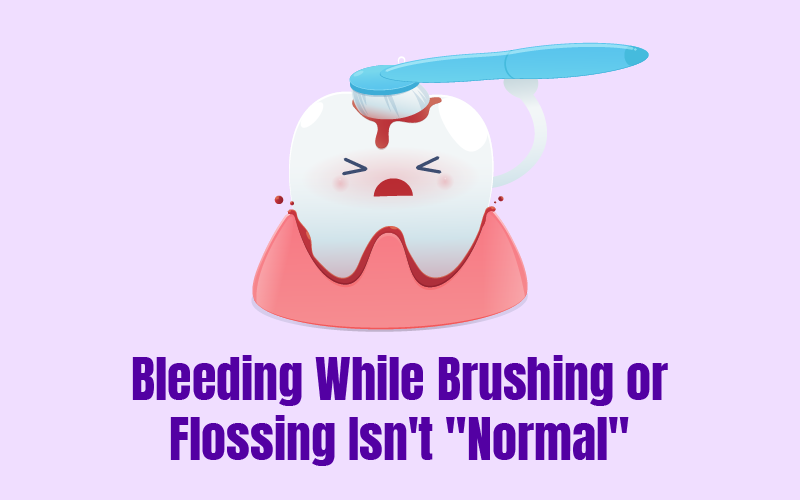
One of the earliest symptoms of gingivitis is bleeding gums. Most people will assume that they have been brushing too hard. That is sometimes true. However, if your gums continuously bleed when you brush or floss gently, this usually indicates that plaque has irritated the gum tissues.
Think about it this way: healthy skin usually does not bleed when you wash your hands. Healthy gums also should not bleed during every tooth cleaning.
What Are Your Options
- Make sure to brush your teeth two times a day with a toothbrush with soft bristles.
- Floss regularly.
- Contact the dentist if your gums bleed for more than a week.
What the Specialists Say
Most people fail to understand that the reason why they stop flossing is the fact that their gums start bleeding. However, a proper flossing technique will bring relief over time because it actually helps remove plaque that causes gum bleeding.
You can read more about bleeding gums in our blog:
2. Persistent Bad Breath Could Be More Than Last Night’s Dinner
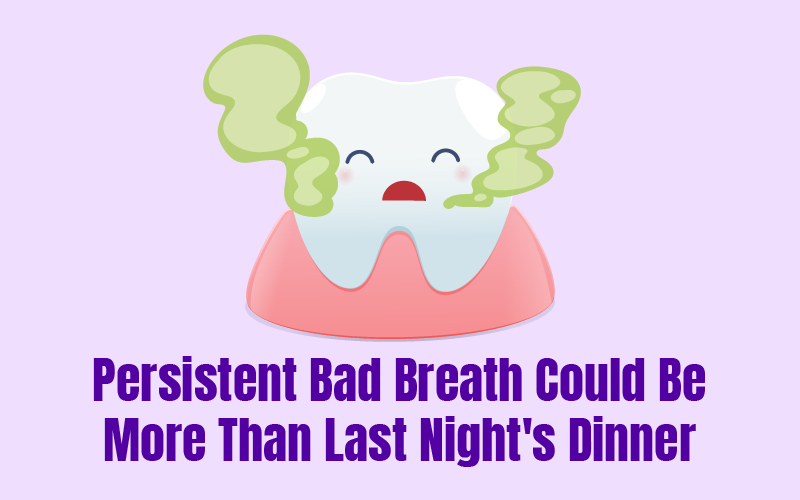
Everyone has experienced bad breath after consuming garlic bread or coffee. This is different from having chronic bad breath that does not go away with constant brushing.
The bacteria hidden below the gum surface release certain sulfuric compounds, causing unpleasant smells. When the plaque increases, the bacteria multiply and result in inflammation.
If you use mints frequently, it might mean you need to look at more than just your tongue and check out your gums as well.
Common Causes Include
- Plaque buildup
- Food trapped between teeth
- Early gum disease
- Dry mouth
- Tobacco use
Treating the underlying cause almost always works better than masking the smell.
3. Red, Swollen, or Tender Gums
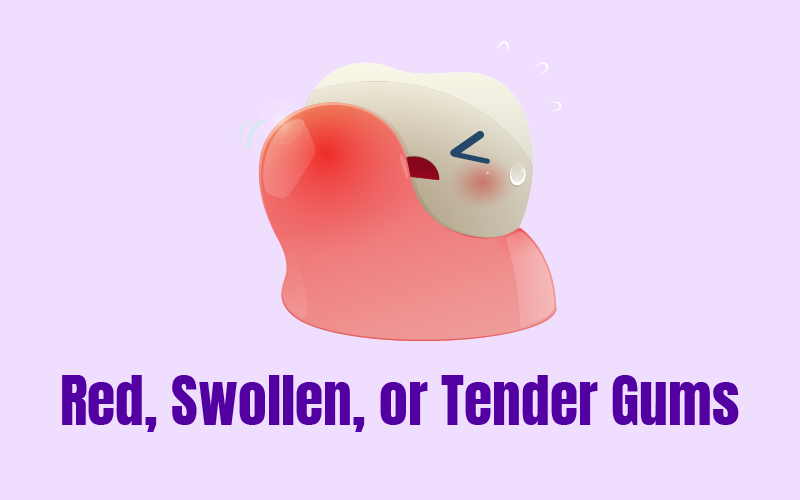
Healthy gums often have a firm grip and are light pink. When inflammation occurs, they can be red-colored, swollen, or painful when eating and brushing. The immune response to bacterial plaque on teeth causes these changes.
This is one of the most obvious signs that gums are unhealthy, but it is still common for people to ignore it because there is no continuous discomfort.
What Others Don’t Tell You
Inflamed gums don’t necessarily mean you’re not brushing properly.
Stress and hormones, medications, and even conditions such as diabetes can all make gums more susceptible to becoming inflamed. Those who actually brush their teeth properly can still experience gum issues if these factors aren’t properly managed. As a result, dentists take into account a person’s overall health, not just their brushing routine, when inspecting their gums.
4. Your Teeth Look Longer Than They Used To
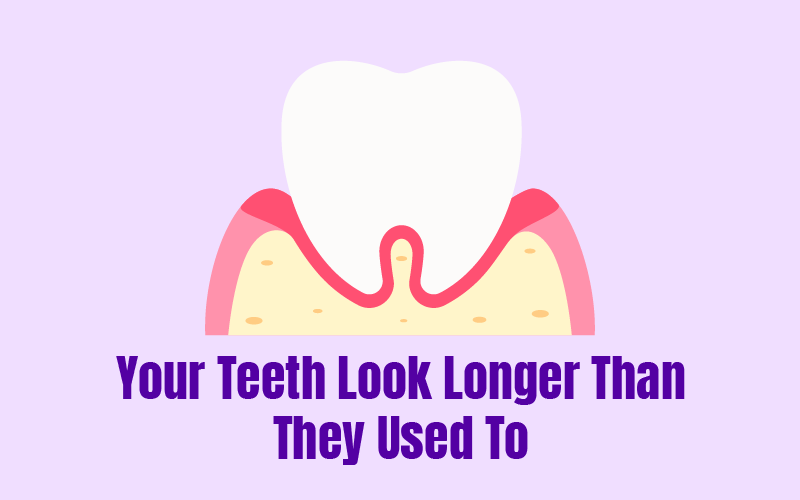
Have you ever considered that the appearance of your teeth may have changed? It could seem like a mere fantasy, but the gums may likely have receded.
Gum recession can expose the teeth, causing them to look longer than they actually are. The process of recession may not be instantly noticeable as it occurs over a longer period of time.
The reduction of the gums leads to the exposure of the tooth root.
| Possible Cause | Why It Matters |
| Gum disease | Weakens supporting tissues around teeth |
| Aggressive brushing | Wears away gum tissue over time |
| Teeth grinding | Places excessive pressure on gums |
| Smoking | Reduces blood flow and slows healing |
The earlier gum recession is identified, the more treatment options are available to slow or stop further damage.
5. Loose Teeth or Changes in Your Bite
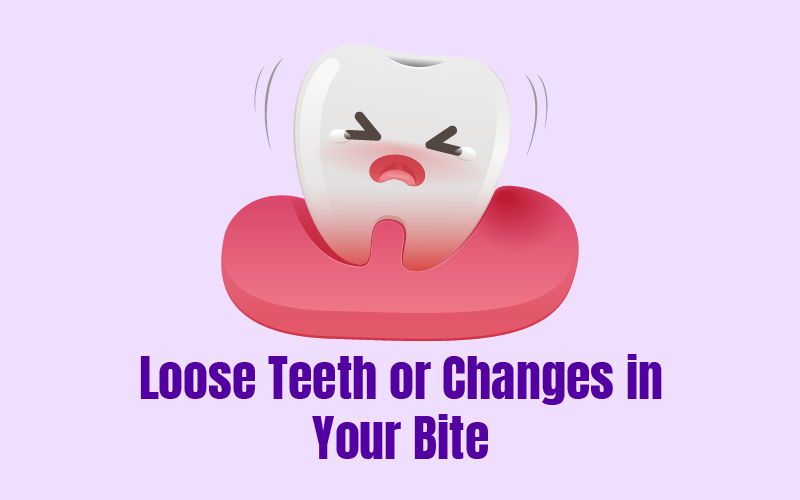
This is typically a sign to be aware of later. As gum disease advances, it can affect the bone and connective tissue surrounding the teeth, which can cause teeth to shift out of position.
The importance of a dental examination cannot be overstated if you are experiencing any of the above symptoms and notice any changes. While advanced periodontal disease can cause problems, early intervention can help avoid any complications later on.
Why Gum Health Matters More Than You Think
Quite contrary, although many might think that one’s mouth has nothing to do with the outside world, research is showing different results. Newer findings highlight the link between gum disease and other serious health conditions, like diabetes, heart problems, or complications during delivery. While gum disease doesn’t directly create a pathway to these diseases, chronic inflammation of the gums is a key factor in all of them.
Therefore, disease prevention is essential, according to dentists.
Apart from how good gums help keep teeth in place, it is true to say that healthy gums also have other advantages. They are linked to eating comfortably, having clearer speech, smelling sweet, and feeling confident overall, which can help prevent future dental expenses.
Simple Ways to Start Improving Gum Health
What is the good news?
The early stage of gum disease can be reversed through consistent care.
Start Practicing These Habits
- Brush your teeth twice a day, using fluoride toothpaste.
- Clean your teeth at least once a day with dental floss or interdental cleaners.
- Change your toothbrush every three to four months.
- Limit your intake of sugary foods and beverages.
- Drink enough water to help your body produce saliva.
- Avoid smoking or using tobacco products.
- Make sure to visit your dentist regularly for checkups.
- Small diet changes may seem insignificant.
- However, they are generally what help you keep your smile healthy.
Conclusion
Gum disorders often go unnoticed. They may only issue minor warnings and hope for the best. However, some bleeding, swelling, or continuous bad breath could eventually become serious.
If you have noticed any of the signs mentioned above, don’t wait until the pain becomes unbearable; secure a dental checkup today, because it is a much easier and cheaper solution than treating advanced gum diseases months or even years later.
In some cases, a bright smile is less healthy than a dull one.
Frequently Asked Questions
The initial signs of bad gums often involve bleeding during brushing and flossing, red, swollen, tender gums, and bad breath. This may seem insignificant, but these are usually the first signs of gingivitis. Treatment that helps reverse gingivitis can usually be done in time, thus stopping the problem from evolving.
In fact, many forms of **gingivitis** can be treated effectively without the need for any medications. Maintaining good dental hygiene with regular mouth cleaning, brushing your teeth twice a day, and having a dental appointment for a professional cleaning will help to achieve good gum health. However, if it develops into periodontitis, then professional help is required.
To improve gum health, it is generally necessary to maintain good oral hygiene. This includes brushing teeth twice a day using fluoride toothpaste, flossing with interdental brushes, drinking enough fluids every day, and eating a well-balanced diet. Regular visits to the dentist are highly recommended to detect problems in time.
Bleeding happens in the gums because of plaque accumulation on the gum line, not because of brushing. Daily brushing is insufficient if flossing or cleaning of the teeth is not done properly. If the bleeding continues for a week or longer despite proper oral hygiene, you should visit a dentist.
Good gum health plays an important role in maintaining healthy teeth. Research has shown that gum disease is linked to the following systemic diseases: diabetes, heart disease, and pregnancy-related complications. Though gum disease does not cause these diseases, proper oral care can reduce chronic inflammation, leading to better oral health and overall well-being.
2 thoughts on “5 Signs of Deteriorating Gum Health: Don’t Ignore What Your Gums Are Trying to Tell You”