


While drinking coffee in the morning, pain suddenly hits you from one of your teeth and disrupts your day. You drink no more and stare at the cup thinking, “Why? I did not want this to happen.”
If you suffer from any tooth pain, you know how it can ruin everything. Eating is a problem, drinking water is undesirable, and even sleeping can be uncomfortable.
However, not everyone suffers the same type of tooth pain. The causes of toothache may be different as well. Sometimes it happens due to a cavity, while other times it may be something like a sensitive tooth or a cracked tooth. One of your wisdom teeth may also be to blame.
So, why did your tooth hurt you today?
Let’s study various types of toothache, possible causes of toothache, and what can be done about them.
What Does Tooth Pain Feel Like?
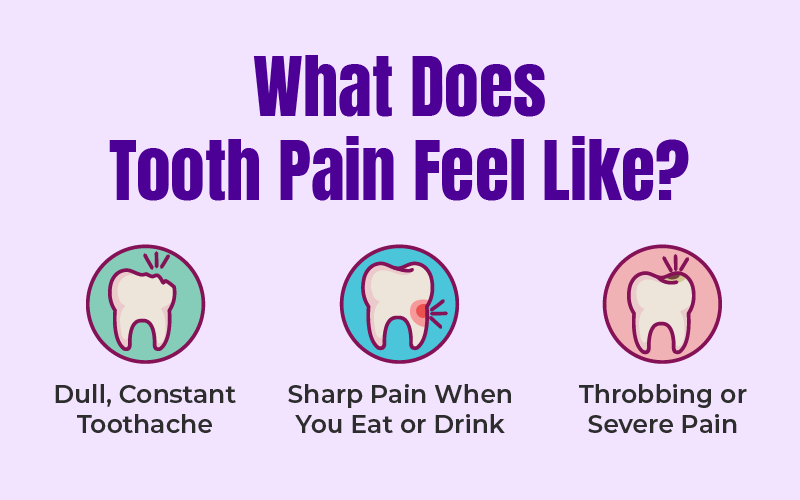
Pain in your tooth can manifest in an assortment of ways. You could experience a minimal twinge when eating ice cream, an uncomfortable feeling that lasts for many hours, or even the dreadful pain that may keep one awake at night.
At times, the type of discomfort can provide some diagnostics. Of course, it is not a very accurate diagnosis, but it is still a piece of useful information for your dentist.
Sharp Pain When You Eat or Drink
Is it that using ice-cold water makes one particular tooth “yell” or “complain”?
This sharp pain is often the result of the high sensitivity of the teeth. Sensitivity can arise as the enamel wears off and gums recede, and so the most sensitive part of the tooth becomes “exposed”.
However, the sensitivity may also indicate the presence of a cavity or cracked teeth as well.
Dull, Constant Toothache
A dull, throbbing sensation that lingers is quite different from a momentary twinge of discomfort. You may notice pressure, tenderness, or a steady discomfort either localized in one tooth or surrounding the jaw.
When a cavity has penetrated deep into the tooth, this type of dental discomfort is possible. An irritated or infected tooth may cause this kind of pain.
If the pain recurs, then your tooth definitely needs more than just a painkiller and “maybe it’ll go away.”
Throbbing or Severe Pain
Pulsing or throbbing pain is unbearable. It is as if you can feel the heartbeat of the tooth.
This kind of pain can emerge only when the inside of the tooth becomes extremely inflamed or infected. You may also notice swelling, tenderness, or pain when your bite comes into contact with food.
Whatever the case may be, it is advisable to see your dentist rather than wait for it to go away.
What Causes Tooth Pain?
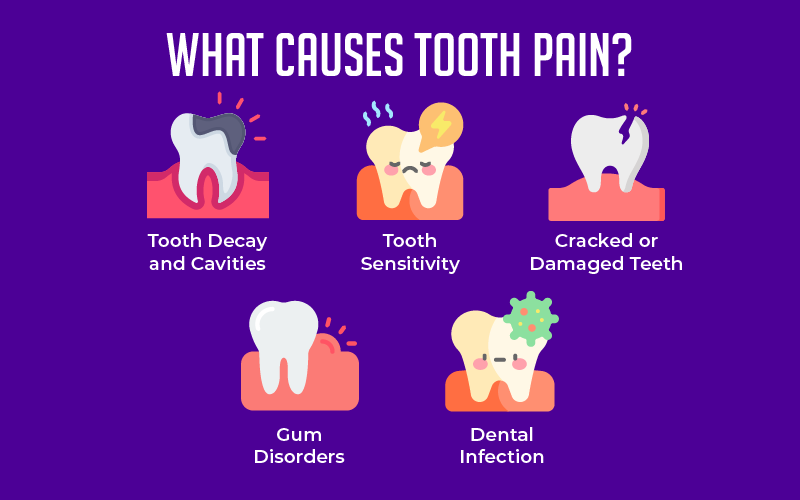
There isn’t just one reason behind a toothache. Your teeth, gums, jaw, and even nearby sinuses can sometimes play a part.
Here are some of the most common causes.
1. Tooth Decay and Cavities
Tooth decay is one of the most common causes of toothaches. Tooth decay occurs when bacteria in the mouth feed on sugar and create acids that lacerate the tooth.
In the beginning stage, you won’t feel a thing. This is what makes cavities sneaky.
When the cavity deepens, the affected area becomes sensitive; for example, you might feel discomfort when eating something sugary or hot. If the cavity goes up to the inside of the tooth, the pain may become unbearable.
Regular visits to the dentist can help with timely cavity detection.
2. Tooth Sensitivity
Many people experience discomfort in their teeth after eating ice cream.
Tooth sensitivity occurs when either enamel has worn off or the gums have receded. This exposes a more sensitive area.
You might feel a sudden burst of pain when drinking cold beverages, consuming hot meals, or sweet things, and even when brushing your teeth.
To alleviate the discomfort, you can use toothpaste and soft-bristled toothbrushes. Still, you should seek a dental appointment if the sensitivity suddenly appears, as this could indicate a problem affecting a single tooth.
3. Cracked or Damaged Teeth
Finding a dent in the tooth is not an easy task due to its minute size. You might not even know when it actually took place. It is quite common that you feel pain while biting food and also while releasing your bite. The tooth can respond to hot or cold food items. If this condition persists, it can become even worse; that is why it is extremely important not to ignore the pain that keeps coming back in your cavity.
4. Gum Disorders
But it isn’t only teeth that can cause pain. The gums can hurt as well. Redness, swelling, bleeding, and tenderness of the gums can point to gum disease or to problems with the gums in general. And in rare cases, infection around the tooth can cause swelling and pain. Good oral hygiene, brushing, and flossing can be extremely useful to prevent pain in your mouth in the future.
Learn Signs of Deteriorating Gum Health here :
5. Dental Infection
A tooth infection can lead to a lot of pain that does not go away easily. You may also have swelling around your tooth, a bad taste in your mouth, fever, and pain when you bite food.
Waiting it out is not the way to go.
Dental infections can spread to nearby tissues, which require treatment from a dental professional. If you find that you have high levels of swelling, have trouble breathing or swallowing, or that the swelling is spreading to your neck and face, you should get medical attention right away.
Wisdom Tooth Pain: Why Does It Happen?
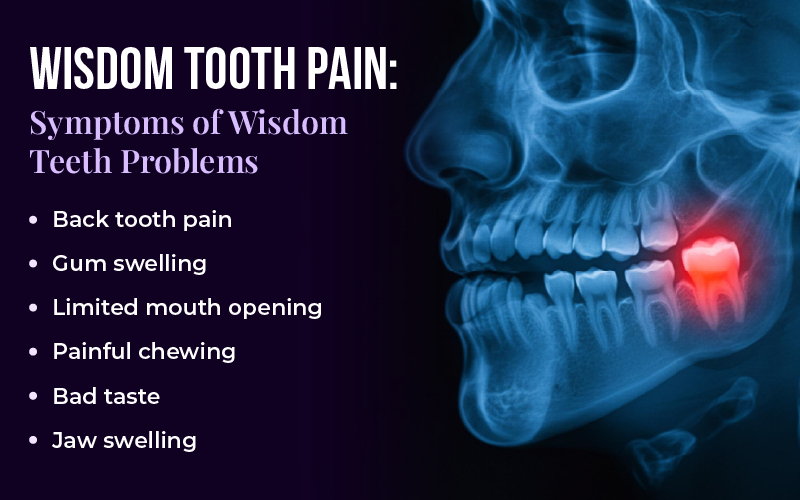
Welcome to the world of wisdom teeth. Just when your mouth is settled and done growing, your dentist will tell you that there is an issue with your wisdom teeth.
What causes wisdom tooth pain? This condition happens when your teeth grow in a way that creates pressure in your jaw.
Symptoms of Wisdom Teeth Problems
If you are suffering from problems with your wisdom teeth, you might notice:
- Pain in the back of your mouth.
- Swelling or tenderness in the gums.
- Difficulties opening your mouth.
- A painful chewing process.
- A bad taste in your mouth.
- Swelling around the jaw
Sometimes the situation gets worse than just wisdom teeth problems. Food and bacteria may get stuck near partially erupted teeth, which can lead to inflammation and infections.
What Can You Do for Toothache?
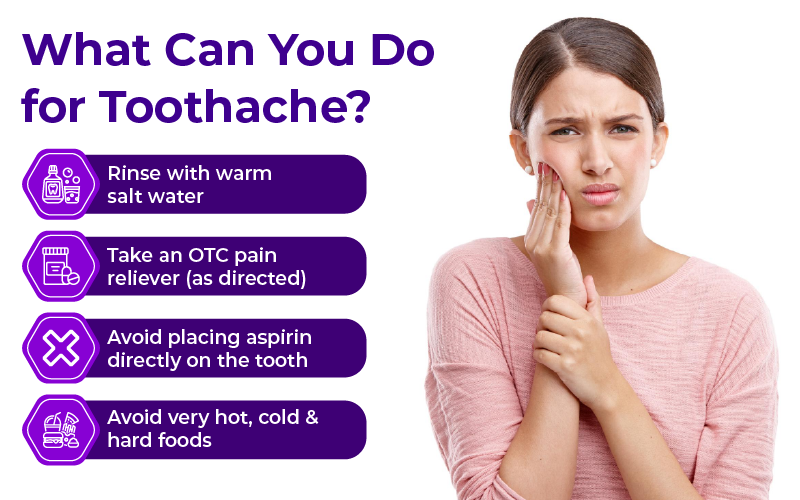
To be frank. If your tooth is bothering you at a horrible hour of 2 a.m., you will hardly think of learning about how to brush your teeth. You will likely look for something that will relieve you of pain.
To reduce the discomfort your toothache may cause, you may rinse your mouth with warm salt water to avoid contaminating the painful area. Sometimes you may take a tablet that is suitable for you if you feel free to do so, according to the information given on the package.
In addition, do not think of putting aspirin onto your tooth, as it can irritate. Take care when eating after suffering from pain.
What About Wisdom Tooth Pain Relief?
To ease wisdom tooth pain, try using gentle warm salt-water rinses and cleaning the area thoroughly. If you can, you can use an OTC pain reliever.
However, if your pain continues to come back, you have swollen gums, or opening your mouth is difficult, consult a medical professional.
Your wisdom tooth ain’t going to read this and get its act together.
When Should You See a Dentist?
You shouldn’t panic at every little pain, as there are times when teeth might be sensitive due to certain foods or dental procedures. However, you can’t ignore pain that persists or worsens.
Consider making an appointment with a local dentist if you are experiencing:
- Tooth pain that has lasted for more than one or two days
- Sharp or constant discomfort
- Swelling in the area of the tooth or face
- Pain when chewing or biting
- Fever with a toothache
- A broken or chipped tooth
- A loose permanent tooth
- A foul taste or drainage that is causing tooth pain
- Recurring wisdom tooth pain
If you notice severe swelling of the face or neck, or problems with breathing or swallowing, please seek immediate medical help.
How Can You Prevent Tooth Pain?
You may not be able to stop every dental issue, but you can decrease your chances of having to face some tooth pain.
Be sure to brush twice per day, use fluoride toothpaste, and floss daily. Avoid eating sweets and sugary drinks all day long, and make sure to go for regular dental checkups so that any potential problems can be identified before they start to hurt.
And don’t wait until you see a tooth that is practically begging for help to make an appointment.
It might be easy to take care of a small cavity, but a neglected cavity could turn into a large cavity in no time!
The Bottom Line
Your body doesn’t talk about toothache in whispers; it speaks out loud.
Sudden pain from cold drinks, dull sensations while chewing something, sprains at night-time, or discomfort from a wisdom tooth are all different dental problems. However, the key is being cautious and not waiting for this discomfort to disappear magically.
Pain-relieving devices can help you survive, but you still have to find the reason for your tooth problems to eat, sleep, enjoy life, and drink coffee without saying “ouch”.
Therefore, should you have an aching tooth, visit a local dentist today and avoid bigger dental problems in the near future.
Frequently Asked Questions
A toothache can result from cavities, cracks, gum damage, infections, and sensitivity. If the underlying cause of the pain is diagnosed quickly, it could help with the healing process.
To get instant relief from tooth pain, you can use warm salt water for gargles. You also need to avoid eating too much triggering food. You can follow the guidelines provided by the pharmacy when purchasing the pill over-the-counter.
Cold food can cause sharp pain if your teeth suffer from a lack of enamel, gums have receded, or if a cavity has appeared. If tooth sensitivity remains a persistent issue for you, you will basically need a dentist’s assistance.
Wisdom teeth pain can occur due to insufficient space for them to grow properly. As a result, swelling may occur, as well as food trapping in the area. Additionally, a tooth may get impacted.