



Many people experience blood in their mouth when they brush or floss their teeth. It can start as a small red streak of foam from brushing your teeth and eventually become part of your daily routine. This can lead to you wondering, “What is happening to my gums?”
Often, seeing blood when brushing or flossing is not what most people expect. When they do see blood, they often attribute it to either being too rough with their toothbrush or using the wrong technique with their floss. Sometimes this is the case; however, there are many other times when bleeding from the gums is displaying something that is happening underneath the surface of the gums and may need to be addressed.
The good news is that many of the causes of bleeding gums are curable, especially when caught early. Therefore, before you write off the bleeding from your gums as a small inconvenience, it might be wise to spend some time considering what your gums might be trying to tell you.
Why Do Gums Bleed?
Gums are surprisingly strong. They help support the teeth all day long and can take the pressure from chewing, as well as from brushing and flossing, without any problems. Under normal circumstances, gums will not bleed.
When bleeding does occur, it is usually a sign of inflammation. The body’s immune system sends more blood to tissues that are irritated, making gums more sensitive and more likely to bleed.
So when answering the question, “Why do my gums bleed?” the answer begins with inflammation due to bacteria, plaque, or other underlying causes.
Think of the bleeding as an early warning system. Usually, the actual bleeding isn’t the problem; it is an indicator of what is really happening.
Plaque Buildup Is One of the Most Common Causes of Bleeding Gums
Today’s busy lifestyle can sometimes mean rushing around in the morning and forgetting to floss. Unfortunately, plaque won’t be taking a break from all your busyness! It’s a sticky film composed of bacteria that collects on your teeth every day; unless it’s removed, it will build up near your gum line and irritate those areas with time.
Initially, this can manifest as only subtle changes (like some redness), some swelling or tenderness, etc., but then before you know it, you realize that the gums are bleeding while brushing.
Most people think brushing caused the bleeding, when in reality, it was just leading to a disruption in their already-existent inflamed state.
Bleeding When Flossing Means
There are very few things that can stop someone from continuing with their daily use of floss as quickly as seeing blood during use. When someone sees blood while using their dental floss, many times they make the decision to stop using it altogether, believing it to be doing more harm than good.
On the contrary, this is rarely the case at all.
When plaque and bacteria build up between teeth, it causes inflammation in the gum tissue. When floss is used on these inflamed tissues, they usually become very irritated and therefore cause more bleeding to be seen.
The floss instrument itself is not the cause of such bleeding; it is simply exposing the already existing issue. With consistent and gentle use of flossing regularly, inflammation generally begins to decrease, and therefore bleeding will also decrease within 2 to 3 weeks.
Gingivitis: The Beginning to Gum Disease
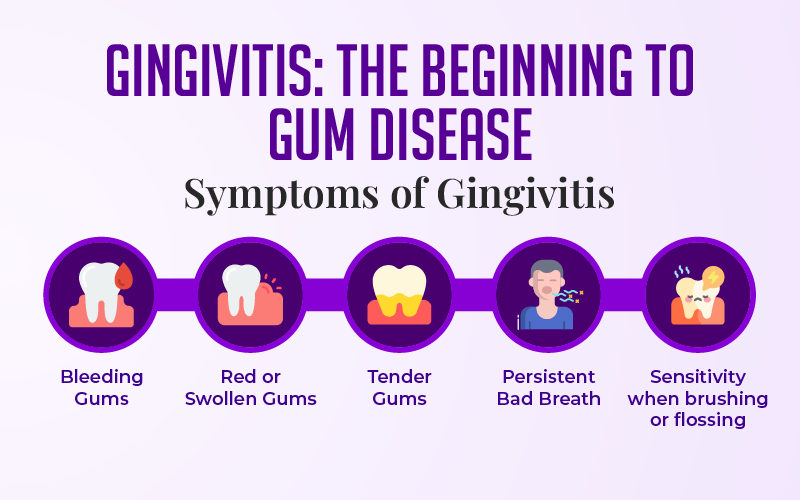
Bleeding in the gums is primarily caused by gingivitis.
Gingivitis is caused when plaque has been left on the teeth for an extended period, irritating the gum tissue. Gingivitis is considered the earliest stage of gum disease, and common signs and symptoms of gingivitis include:
Symptoms of Gingivitis
- Bleeding of gums
- Red or swollen gums
- Tenderness of the gums
- Chronic bad breath
- Sensitivity while brushing and flossing
Because gingivitis is not always painful, it can be hard to detect. Many people do not think anything is wrong because they have no discomfort; unfortunately, inflammation is still progressing.
When detected early, gingivitis can often be reversed with improved home care and/or professional cleanings.
Why Are My Gums Bleeding Even When I’m Not Brushing?
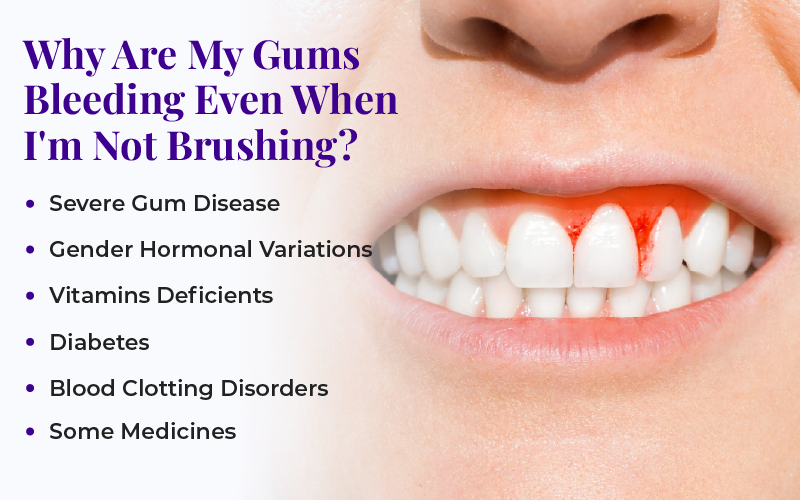
Blood could show up at mealtime, while conversing with someone else, or out of thin air. There are therefore many people who have a reason to be concerned about their gums bleeding for no reason, or that their gums are bleeding randomly.
Bleeding does seem to occur at random, but there is almost always a reason.
Some things that may cause these gum blood losses include:
- Severe gum disease
- Gender Hormonal Variations
- Vitamins Deficients
- Diabetes
- Blood clotting Disorders
- Some Medicines
If you find that your gums are continuously bleeding at different intervals with no apparent explanation, you need to consult a specialist to figure out what is causing the continued bleeding.
Is It Possible My Gum Will Bleed If I Brush Too Hard?
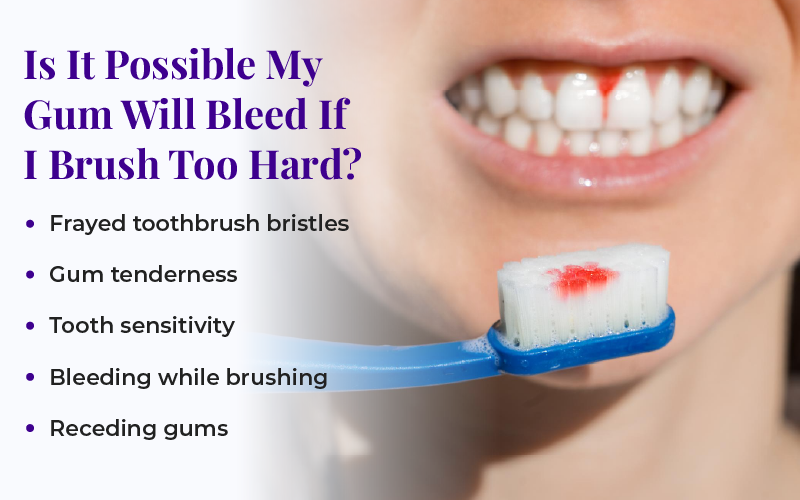
Yes, brushing too aggressively can result in bleeding gums.
Many people associate aggressive bristles with a better clean (due to there being ‘more pressure’). Unfortunately, this will also irritate thin/soft gum tissue and can cause gum recession over time.
Some examples of excessive brushing:
Indicators That You Are Brushing Aggressively
- Fraying of your toothbrush bristles
- Localised tenderness of your gums
- Sensitivity in your teeth
- Slight bleeding when you brush
- Gum recession
The use of a regular, soft, rounded bristle toothbrush and/or using circular or oval motions is generally the safest and most effective.
Medical Conditions That May Contribute to Gum Bleeding
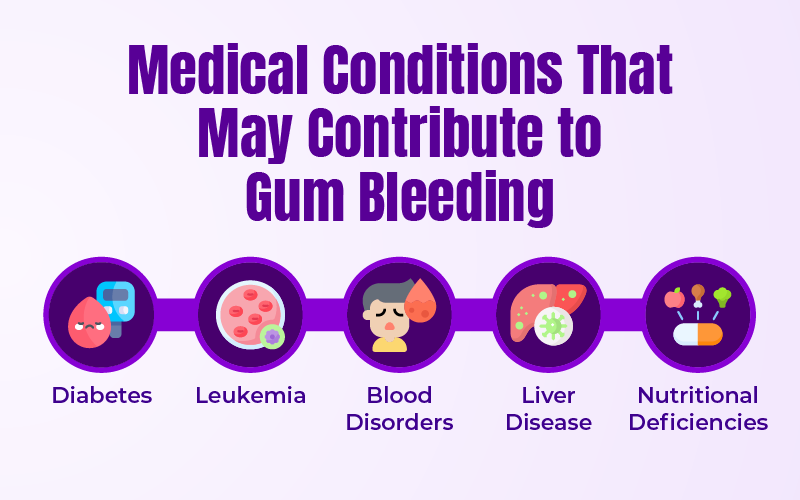
The oral cavity frequently reflects events happening in other parts of the body.
Bleeding gums could be indicative of more widespread health issues when not resolving themselves permanently.
Some of the conditions that can lead to gum disease include:
- Diabetes
- Leukemia
- Blood disorders
- Liver disease
- Nutritional deficiencies
Blood-thinning medications (in particular) will result in a greater incidence of gum bleeding.
If there is adequate oral hygiene but the patient continues to develop symptoms, then medical and/or dental evaluations are needed.
How to Cure Bleeding Gums and Support Long-Term Oral Health

The best way to deal with the cause of your bleeding gums will depend on the reason it is happening; however, several habits can make your gums healthier over time.
Keep Your Oral Hygiene Routine Consistent
Brush your teeth twice a day and make sure to focus on cleaning along the gum line.
Floss Gently Regularly
If you are experiencing bleeding, persistence is beneficial to you, as we have learned through the years.
Have Regularly Scheduled Dentist Appointments
Only your dental professional (hygienist) can complete the cleaning of your teeth and gums (via removal of plaque/tartar), as the toothbrush cannot accomplish this by itself.
Support Your Overall Health
By managing any existing medical conditions you may have, consuming a balanced diet and plenty of fluids will help to keep your gums healthy.
Stop Using Tobacco Products
If you smoke, you are at an increased risk of developing gum disease. If you have gum disease, you are limited in your ability to heal from your gum disease.
Conclusion
Many oral healthcare problems present themselves gradually. Bleeding from the gums may happen during normal brushing or flossing; however, this may not be noticed until later.
Gums that are healthy typically do not bleed for any reason.
Bleeding of the gums from brushing or flossing could have many causes and should be investigated rather than assumed to be a minor occurrence.
If you identify the cause soon after the blood was discovered, it will also be easier to protect against further oral health issues.
Sometimes, very small signs contain some of the strongest messages.
Frequently Asked Questions
Gums that bleed when you brush are usually due to inflammation caused by a buildup of plaque and bacteria on the gum line. Brushing aggressively may irritate your gums, but bleeding from the gums is more likely due to gingivitis, the initial stage of gum disease. Healthy gums typically do not bleed when they are brushed normally.
No, if your gums are healthy, they shouldn’t bleed when you floss. If your gums bleed when you floss, it’s usually due to a buildup of plaque and bacteria between your teeth that causes inflammation of the tissue. Flossing regularly and gently will help reduce inflammation, and bleeding may decrease in about 2-3 weeks if you're maintaining good oral care.
Yes. Bleeding from your gums is frequently caused by gingivitis and plaque buildup, but sometimes bleeding may indicate a serious health condition. In some cases, persistent or unexplained bleeding from your gums may indicate an underlying health issue, such as diabetes, bleeding disorders, leukemia, and/or liver disease; nutritional deficiencies; or the systematic use of blood-thinning medications. If your gums continue to bleed after practicing good oral hygiene, please see your Doctor or dentist.
There are various treatments for bleeding gums, based on the underlying issue. Many patients find that good oral hygiene- including brushing their teeth twice every day and flossing daily, getting professional cleanings regularly, eating a healthy diet, and staying away from tobacco – can improve their gums a lot. If the gums are continuing to bleed, you should contact your dentist for an assessment.
If your gums bleed on a regular basis (not just when you are brushing or flossing), are swollen/tender, or if you have any other symptoms such as persistent bad breath, gum recession, or loose teeth, then you should contact your dentist for an appointment. Early treatment of gingivitis can prevent it from developing into more advanced gum disease.
One thought on “What Causes Bleeding Gums? Understanding the Warning Signs Behind Gum Bleeding”