


Even before a tooth aches, your gums may warn you with bleeding when you brush. Red throaty looking gums. Lingering bad breath. No one likes to acknowledge the problem, and the thought of a quick brush before bed can be appealing.
We’ve all got enough on our plates. Another issue to be concerned about? Not exactly an invitation.
But even the best gum care doesn’t have to take half your morning or fill a bathroom shelf with stuff. Stick to a regular 5-minute-a-day plan and better gums and a more manageable dental routine will be within your reach.
National Gum Care Month offers a perfect moment to learn more about your gums, discover what to keep an eye out for, and find out how a few easy routine tasks can make all the difference.
Dental Note: Your mouth may have specific problems. If your gums bleed or swell, feel loose, or change in a way that lasts more than a week, visit your dentist instead of relying on home care.
What Is the 5-Minute Daily Routine for Healthier Gums?
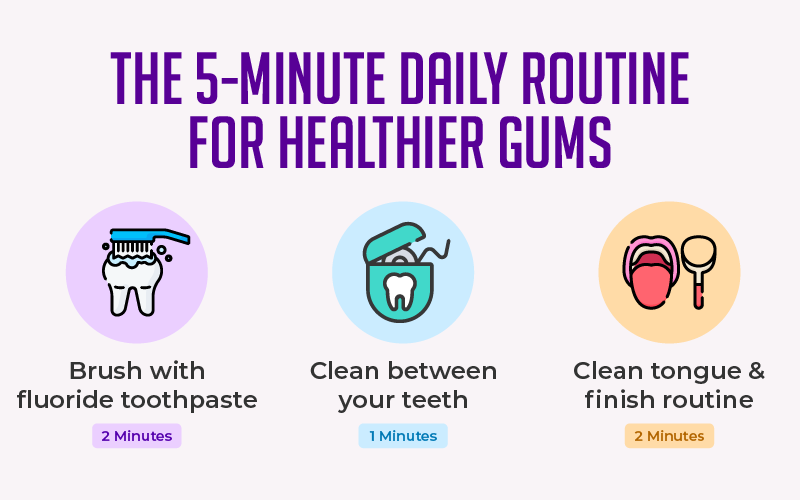
A simple gum care routine can include:
| Step | What to do | Time |
| 1 | Brush with fluoride toothpaste | 2 minutes |
| 2 | Clean between your teeth | 1 minute |
| 3 | Clean your tongue and finish your routine | 2 minutes |
| Total | Daily oral hygiene routine | 5 minutes |
The exact timing isn’t magic. What matters more is cleaning your teeth and gums thoroughly and consistently.
1. Brush for Two Minutes, but Don’t Scrub
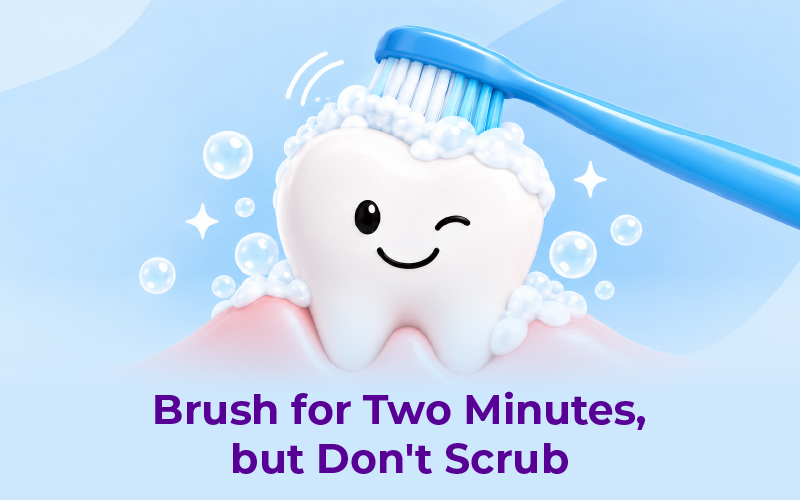
Brushing is the basis of good oral hygiene, but technique matters too. Use a soft-bristled brush and fluoride toothpaste. Hold the brush lightly against your teeth and gums and use small circular motions. You don’t need to brush hard to remove all the dirt.
Actually, harder is not always best.
Why the Gumline Matters
Plaque can form on the margin between the teeth and their surrounding gum tissue. This can cause gum inflammation if not brushed off regularly.
Ensure you brush not just the outer and inner surfaces, but also the occlusal (biting) surfaces of the teeth. Those posterior occlusal surfaces are so easy to neglect when you’re in front of a mirror half-asleep.
Brush for two minutes twice daily.
If you often lose track of time, set the timer on your electric toothbrush or set an alarm on your phone. It is amazing how much time 2 minutes really is when you are actually counting it.
Time: 2 minutes
2. Spend One Minute Cleaning Between Your Teeth
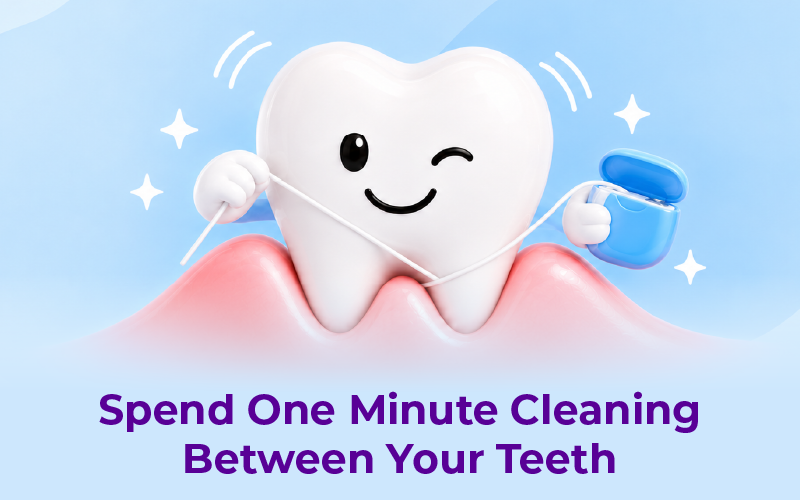
Here’s the part most people would have loved to skip.
Your brush won’t get all the surfaces between your teeth every time. For that reason, use floss and interdental cleaners as part of your daily gum-care routine.
Should You Floss or Use an Interdental Brush?
It’s open to your mouth.
Dental floss may be beneficial for close contact points, whereas interdental brushes may be more effective when contact points are wide or around certain dental restorations.
This isn’t a flossing contest. It’s the only way to clear out spaces your toothbrush cannot reach.
To avoid damaging your gums, floss carefully between your teeth; don’t force the floss into your gums. Shape the floss around the curve of the tooth and slide it along the surface of the tooth.
Noticing bleeding gums? Don’t just ignore it; in reality, you just chewed so what on earth is bleeding? Bleeding may signal gum disease, and ongoing bleeding should be brought to your Dentist to rule out or correct any gum abnormality.
You can read more about bleeding gums in our Blog:
Time: 1 minute
3. Give Your Tongue and Mouth a Quick Finish
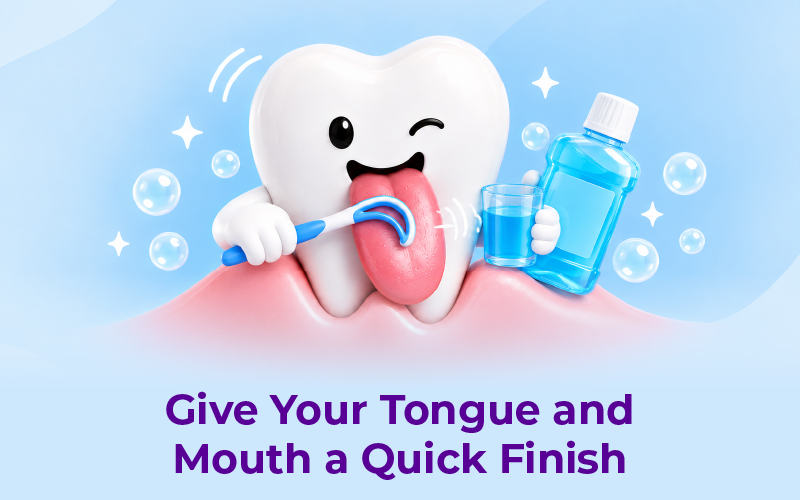
You’ve brushed & flossed between your teeth. You’re so close. With a few final touches, your routine will feel much more comfortable.
Clean Your Tongue Gently
Your tongue is like a built-in toothbrush you can’t reach with a toothbrush; it collects bacteria and food particles. A gentle brush with your toothbrush or a tongue cleaner can help refresh your mouth.
Ain’t gotta scrub too hard. Your tongue ain’t no kitchen countertop.
What About Mouthwash?
But while mouthwash can help some people, it isn’t a substitute for brushing and cleaning between your teeth. Different mouthwashes serve different functions, too. If you’re considering a therapeutic mouthwash, check with your dentist before buying one.
Time: 2 minutes
4. Know the Warning Signs of Gum Problems
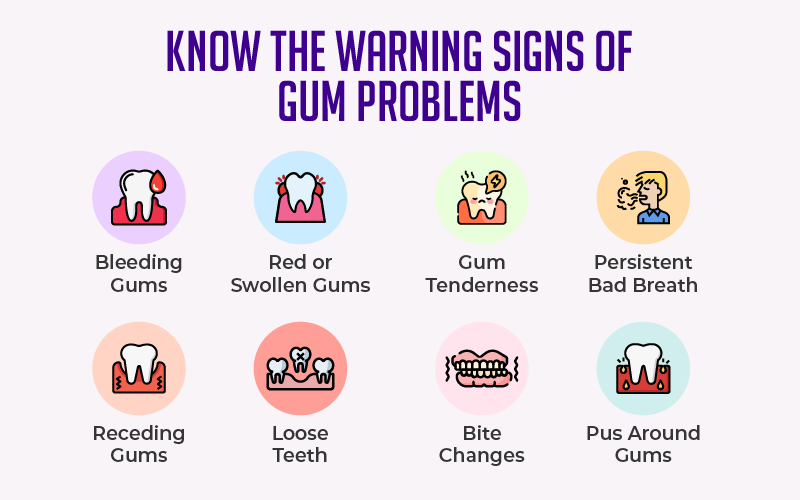
Healthy gums typically shouldn’t be constantly inflamed, sore, or bleeding. This doesn’t mean that one little blood spot suddenly means you have very bad disease. Yet if there are ongoing changes, you should follow up.
Common Signs to Discuss with Your Dentist
Watch for:
- Bleeding gums that happen regularly
- Red or swollen gums
- Tenderness around the gums
- Persistent bad breath
- Gums that appear to be pulling away from the teeth
- Loose or shifting teeth
- Changes in your bite
- Pus or unusual discharge around the gums
You can search and find out what might be wrong with you, but never self-diagnose! These symptoms can have different causes. They can only be correctly diagnosed after a dental examination by your dental professional.
You can learn more in our blog:
Why Early Attention Matters
Gum problems don’t always show up with obvious pain, especially early on. This is a good reminder that routine dental exams are helpful even when your teeth appear to be in no trouble.
Call your dentist immediately if you notice anything has changed, and mention it at your next visit or sooner if the symptom persists.
5. Turn Gum Care Into a Habit You Can Actually Keep
Here is the truth that no one really wants to admit: use an oral-health routine that you will actually use.
You don’t have to change your life entirely.
Try to fit gum care into your existing habits.
Brush your teeth thoroughly first thing in the morning, and put floss or interdental brushes somewhere prominent. Brush before you go to bed. If you keep forgetting to floss, put it where you’ll notice it until it becomes second nature.
And if you haven’t flossed for months?
Don’t let another month go by feeling this way.
Begin tonight.
Little, posited habits are, within reason, going to be easier to stick with than a grand plan that you abandon after a short period of time.
Conclusion
National Gum Care Month works as a gentle reminder that healthy gums aren’t the result of a single heroic brushing session. They’re the result of everyday habits, day after day.
2 min with your toothbrush… 1 min between your teeth. It will take a couple of extra minutes to get through your routine and to keep an eye on what is going on in your mouth.
Listen up.
If your gums are already bleeding, sore, swollen, and changing colors, don’t just add “more flossing” to your mental to-do list and cross your fingers.
Your next step could be as easy as chatting with your dentist.
Your gums have been working hard for you every day. 5 minutes is a modest amount of time to give back.
Frequently Asked Questions About Gum Care
How can I keep my gums healthy every day?
Brush your teeth twice daily with fluoride toothpaste, floss daily, eat a balanced diet, avoid smoking, and see your dentist for regular checkups. If you experience bleeding that doesn’t resolve, swelling, pain, or any other symptoms, consult your dentist.
Is bleeding when flossing normal?
Gentle bleeding: bleeding gums may indicate another problem, not just minimal bleeding. If the gums don’t stop bleeding after a careful daily regimen of brushing and flossing, and you experience swelling or tenderness of the gums, see your dentist for an examination.
How long should I brush my teeth?
A good suggestion is to brush your teeth for two minutes, twice a day. Brush with a soft-bristled toothbrush and fluoride toothpaste, making sure you clean every surface of your teeth and brush along the gum line where plaque tends to build up.
Is flossing really necessary if I brush?
Brushing isn’t great at getting in those narrow spaces between your teeth, where plaque and leftover bits of food get stuck. You can clean these areas with dental floss or other interdental cleaners that suit your mouth. Ask your dentist for advice if you’re not sure what solution is best for you.
Can gum disease be prevented?
By practicing effective daily oral care, visiting your dentist regularly, quitting smoking, and managing early symptoms of gum disease, your chances of developing gum disease can be minimized. Your degree of risk may vary based on the state of your oral health, your medical history, your medications, your tobacco use and various other factors.