


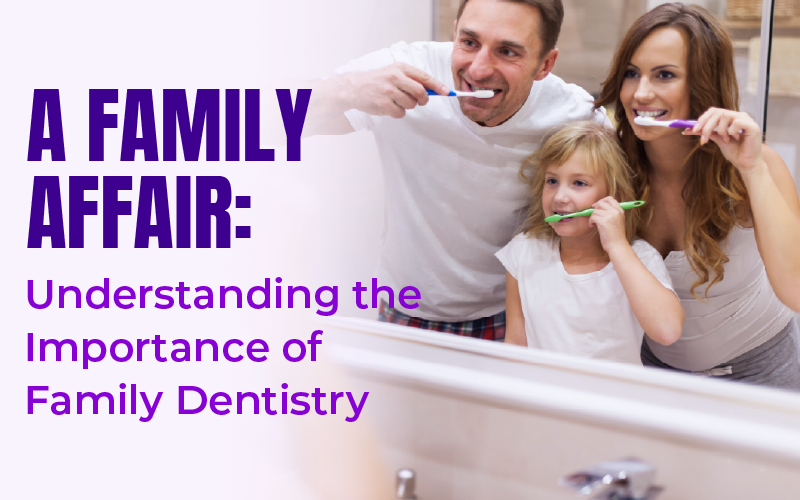
When most people think of dental services, the first thing they think of is routine cleanings, their appointment reminders, and sometimes that family member that never seems to remember to floss. But then there’s the other thing to consider: what if dental care became more than just one-on-one appointments, but rather an opportunity for families to enjoy the dental experience together, creating a more convenient way for them both?
This is what family dentistry is! While it appears simple on the surface, it has a much greater impact than most people are aware of.
For both providers and facilities providing dental services, understanding the benefit of providing family-focused access to dental services goes beyond the appearance of convenience; it is about developing long-term relationships, enhancing patient’s oral health experiences and being a trusted partner throughout your family’s healthcare journey.
Let’s explore why this is important to you.
Why Family Dental Care Feels Different
A parent has taken their six-year-old child in for a dental visit, and while at the appointment, the parent states that their teenager needs braces and has been postponing a replacement for weeks. What started as one appointment now has turned into a chance to treat the entire family.
This is the benefit of Family Dentistry. Family Dentists do not treat patients as individuals; instead, family dentists look at oral work as it relates to the family. Family Dentists recognize that routine and habits can impact overall oral health as well as anxieties and medical decisions are all made in the context of being part of a family.
If you have ever had to schedule doctors for more than one member of your family, you know how advantageous this method can be!
The Real Benefits of Family Dental Care
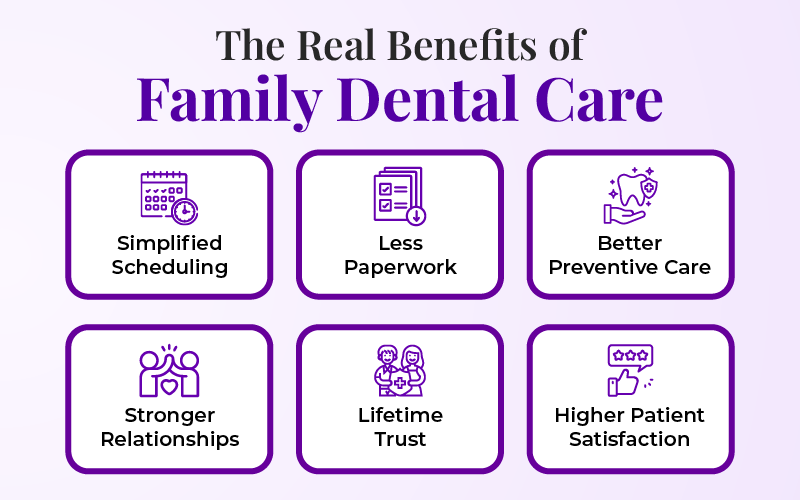
The first thing many individuals think of when they consider the benefits of providing family dental care is convenience. However, there are also other reasons to provide family dental care that have nothing to do with convenience.
One Location, Multiple Generations
Families are accustomed to requiring various professionals to treat their families for dental care based on age, children, teens, adults, and seniors, but now, they will be able to have all dental treatments provided by a unified team.
This leads to:
- Simplified scheduling
- Reduction in paperwork
- Consistent documentation of results
- Improved communications with other healthcare professionals involved in treating the same patient
- Better overall satisfaction for the patient.
From the hospital’s and dental practice’s perspective, it will likely mean higher levels of patient retention and fewer scheduling crises because of predictable appointment availability.
Building Trust Across Generations
An important benefit of family dentistry that is frequently overlooked is the ability to build trust across generations.
A child who feels secure going to the dentist is much more likely than not to continue to have regular dental check-ups as an adult.
When the parent trusts the provider, they will follow the recommended treatments.
Grandparents who feel appreciated and understood become long-term patients.
The relationship with the dental practice becomes more than just a medical provider; it becomes part of the family.
How Family Dentistry Improves Preventive Care
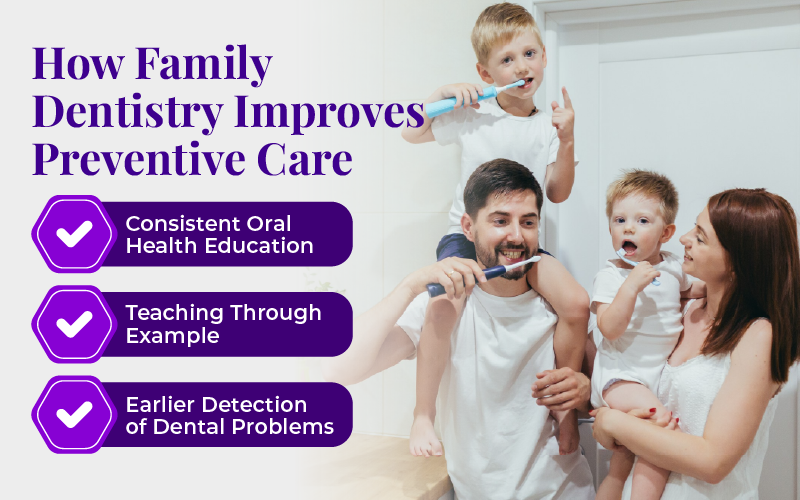
Preventative care is where family dentistry really shines. However, that does not mean preventative care is one of the most exciting or interesting types of care. No one ever wakes up excited to go get their teeth cleaned. Nonetheless, preventative care has been identified as one of the most effective means of reducing long-term dental issues.
Consistent Oral Health Education
Families frequently enjoy repeating the same behavior as a group.
In some cases, this can be good.
In other cases, this can cause problems.
Your family dental care team can identify family-wide behavior patterns, including:
- What you all eat;
- How do you clean your teeth;
- The amount of sugar consumed by you and your family;
- All family members who use tobacco products; Dental anxiety;
- The level of compliance with recommended preventive care;
Through family education, your family dental team will help your family practice better health habits!
Teaching Through Example
Children learn by observing the actions of adults. When parents place a high priority on taking their child for routine dental care, their children will develop a positive opinion about dental care versus viewing it as a negative experience or an option in their lives, which positively impacts their long-term dental health.
Earlier Detection of Dental Problems
Family visits on an ongoing basis provide chances to identify issues that may result in needing assistance before additional issues develop.
Some examples of these issues include:
- Cavitities
- Gum disease
- Problems with the bite
- Issues with development
- Infections within the mouth
- Signs of systemic health issues
If identified early, the treatment of these conditions tends to be less technologically and financially involved. From an organizational standpoint, the opportunity to identify potential problems and provide preventive or corrective action is a significant achievement in providing an organization with benefiting e Business Value of Family Dentistry for Practices and outcome.
Stronger Patient Retention
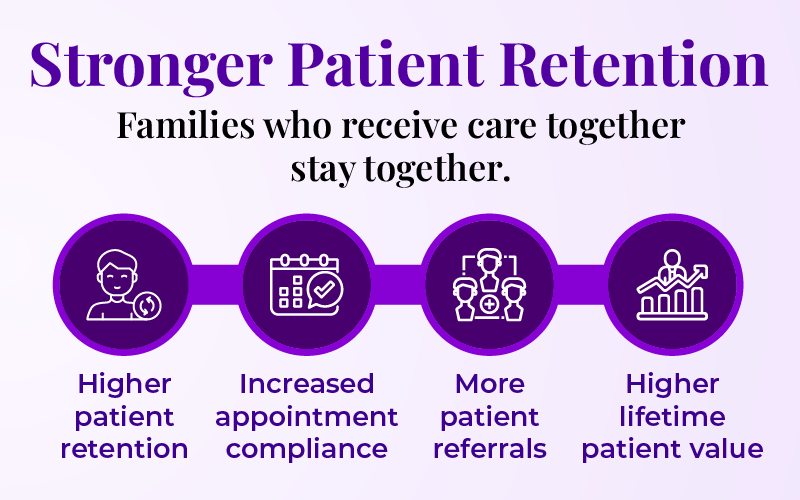
The Long-Term Patient Loyalty I find to be one of the most compelling advantages to Family Dentistry. Patients who have their entire family receiving care from one dentist are less likely to seek out another practice.
Patients appreciate familiarity: seeing the same faces issue after issue is comforting, and not having to repeat their medical history over and over again adds to this comfort level.
As such, this continuity tends to result in:
- Higher Patient Retention
- Increased Compliance with Appointments
- More Patient Referrals
- Higher Overall Lifetime Value for Patients
In this highly competitive market, those factors are paramount.
Better Relationship-Based Care
Technology is playing an ever-increasing role in providing healthcare services. Electronic medical records, automated appointment reminders, and online appointment scheduling systems are all great support tools for healthcare providers. However, healthcare provider-patient relationships are still going to be the primary driver that determines whether patients are satisfied with their care. Many family dentists have the advantage of being able to build stronger relationships with their patients because they usually treat multiple members of the same family over many years.
By getting to know their patients’ families, they will be able to remember their names, identify milestones in their lives, and be aware of physical changes to their bodies.
It’s these kinds of small experiences that create lasting impressions on patients — and ultimately will influence the loyalty of your patients.
Familiar Faces Reduce Fear
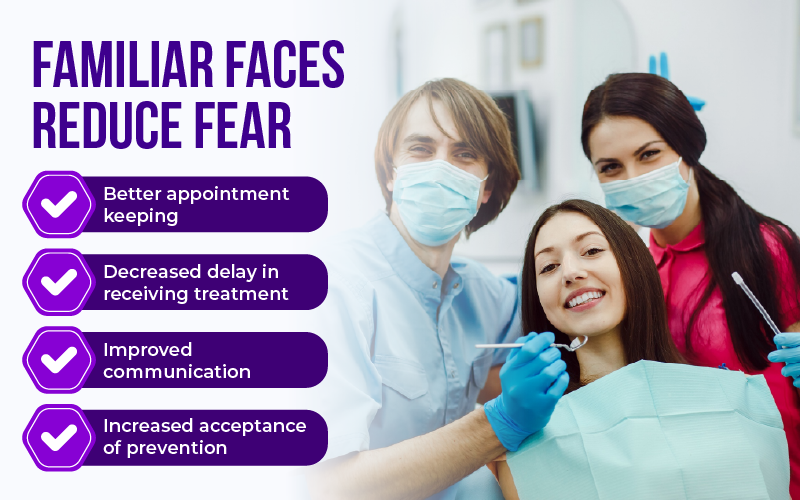
A family dentist’s office operates well because of familiarity. Patients return and have had prior experiences with the same team, and there is less uncertainty for them.
Children observe their parents being treated, and parents observe their children having successful experiences. All parties become more comfortable with the team.
This leads to:
- Better appointment-keeping
- Decreased delay in receiving treatment
- Improved communication
- Increased acceptance of prevention
The Ripple Effect
When one family member has a positive experience, it often affects the rest of the family members. For example, you’ve probably noticed that if one child comes out of the dentist’s office with a smile on their face, other children become less anxious about going to their own appointments.
This same principle holds for adults.
Digital Tools Supporting Better Outcomes
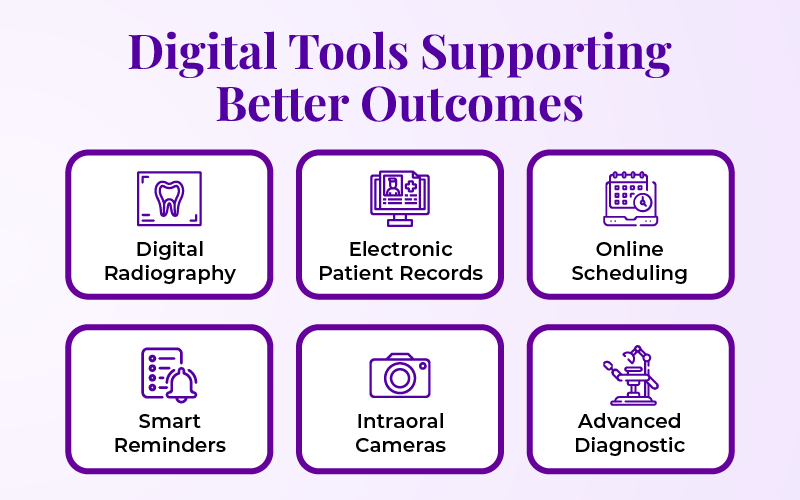
Most family dentists have access to some or all of the following tools:
- Digital radiography
- Electronic patient records
- Online scheduling
- Automated reminders and confirmations
- Intraoral cameras
- Advanced diagnostic equipment, etc.
All these items work together to provide patients with a smoother experience and assist clinicians in developing accurate treatment plans.
For dental systems with multiple hospitals, technology helps facilitate improved coordination between various clinical disciplines.
Personalized Care at Scale
One of the biggest hurdles for healthcare organizations is providing a balance between efficiency and personalization. Family dentists provide an excellent example of how to provide personalized service while maximizing operational efficiencies.
By having ongoing interactions with patients and maintaining a complete family history, family dentists can deliver individualized services to their patients without jeopardizing operational efficiencies.
This remains a difficult balance to achieve, yet family-oriented practices have achieved this at very high rates.
Why the Future of Dentistry Is Family-Focused
Emerging trends in healthcare, especially with family dentistry, are continuing to trend towards ease-of-access, continuity of care, and preventative care.
Many patients want to have a provider they trust; they generally prefer for the whole process of getting care to be easy, and they generally want a provider who understands their family’s specific needs. Those dental organizations that embrace these concepts will have the ability to successfully meet their patient needs.
The result will be healthier smiles as well as better patient relations, better patient experience, and more sustainable care delivery systems.
Conclusion
Whether you are a dentist or a leader in healthcare, it may be helpful to ask yourself this question: “Are you seeing patients for individual appointments or are you creating lasting relationships?” The response to this question will influence many areas – including how successfully you retain your patients, provide them with great clinical outcomes, and experience being a part of their lives.
Ultimately, family dentistry has many benefits beyond the efficiencies related to scheduling or operational metrics, even though they do matter.
Frequently Asked Questions
Family dentistry is a type of dental care that caters to patients of all ages (children through senior citizens) and provides full-service care to support their overall oral health within one establishment by an authorised dentist who has been formally trained to provide such care.
Family dental care offers many advantages, including convenience, easy scheduling, continued care and the chance to have long-lasting relationships with your dental office and staff members. The members of your family can have all of their dental needs taken care of by the same dentist at one office and have consistent records kept of their oral health.
General dentists generally treat only adults; family dentists help patients of all ages, from young children to older adults. Therefore, a family dentist is convenient for households with several ages and different types of dental needs.
The main advantage of using family dentistry for children is their relationship with their parents' dentist. When children go to the same dentist, they will not feel as anxious about going to the dentist as they do now. Additionally, a family dentist will be able to watch the child grow and will be able to compare their growth with previous visits.
Families who go to a family dental practice benefit from having their dental care coordinated and personalized, and from having all of their family members receive care in the same location. Other benefits of family dental care include having less trouble scheduling appointments, having the opportunity to participate more in making preventive care decisions, developing a better relationship with their dentist, and making the trip to the dental office easier or more comfortable for their family members.