


Whitening your teeth can boost your confidence with just a brighter smile! Whether preparing for a big event or looking to upgrade the appearance of your teeth, professional teeth whitening is the quickest and most successful way to achieve this. However, many patients will ask about how many teeth whitening sessions they will need.
There are several factors involved, including the severity of your discoloration, the method of whitening, and your overall health and lifestyle habits. This guide will help you understand these factors, how often it is safe for you to whiten your teeth, and what the process will look like through treatment.
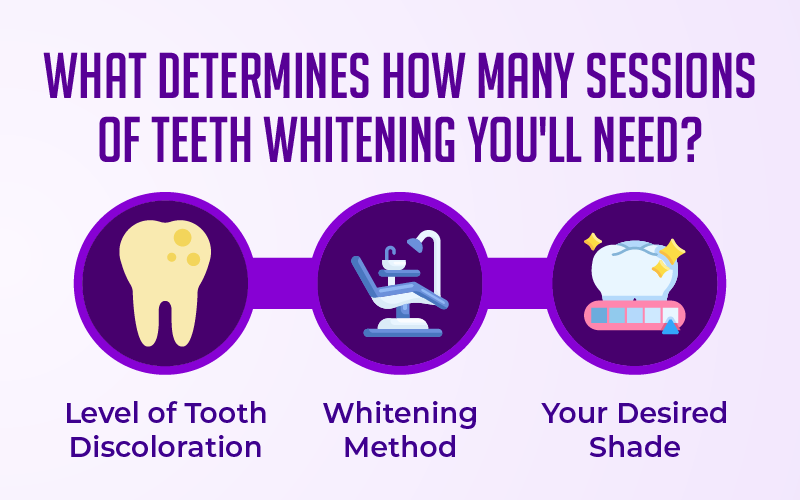
What Determines How Many Sessions of Teeth Whitening You’ll Need?
There is no single answer, as every smile is different; some individuals may require one appointment to achieve their ideal shade, whilst others may require several teeth whitening appointments in order to create their desired results.
The number of appointments needed is influenced by a variety of factors, including:
Level of Tooth Discoloration
Multiple treatments may be necessary for even tougher stains. Stains on the surface of the tooth caused by coffee, tea, wine, tobacco, and some other foods often respond well to bleaching. Deep intrinsic stains created by age, medication or trauma may require a number of treatments.
If you have mild yellowing of your teeth, you may see improvement with just one treatment. For moderate to severe discoloration, you generally will see improvement after two or more bleaches.
Whitening Method
In-office whitening options are commonly performed and provide greater effectiveness and better results than any over-the-counter product.
The most common professional whitening options include:
- In-office professional whitening
- Supervised dentist take-home whitening systems
- Over-the-counter whitening strips/gels.
Generally, professional treatments have fewer appointments needed since the whitening agents will be stronger and applied with professional supervision.
Your Desired Shade
While many patients want to have their teeth whitened simply in order to eliminate discoloration, some are trying to achieve the whitest smile they can. If you want to change the color of your teeth by several shades, you should talk with your dentist about completing many additional whitening sessions that may be safe for you in order to meet that goal without creating unnecessary sensitivity in your teeth.
How Many Sessions of Teeth Whitening Are Typically Needed?
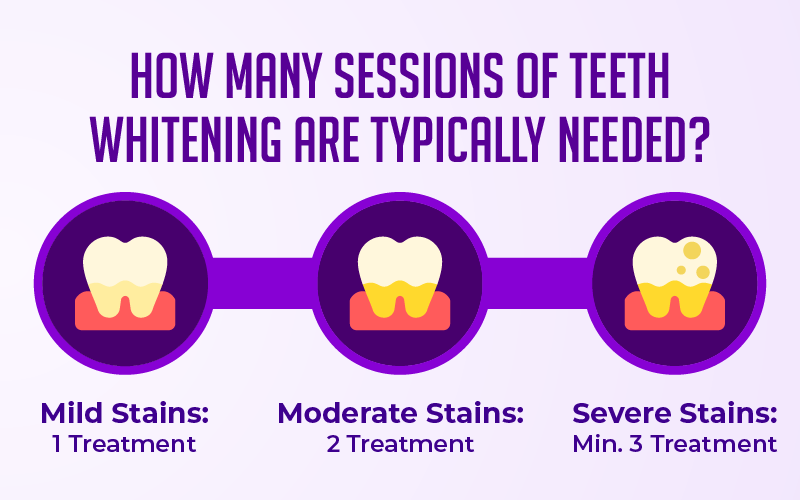
When a patient seeks a whitening treatment in the office, most professionals will adhere to these guidelines:
- For patients with mild stains: one treatment
- For patients with moderate stains: two treatments
- For patients with severe stains: a minimum of three treatments, as determined by your dentist
Many professional in-house whitening appointments can achieve an obvious improvement within 60-90 minutes. However, if you have particularly stubborn stains, you may need to make follow-up appointments several weeks apart to complete your whiteners promptly.
Your dentist will evaluate your dental condition and then recommend a safe treatment plan tailored to your individual needs.
How Often Can You Whiten Your Teeth?
One of the most frequently asked questions is How Often Can I Whiten My Teeth Safely?
When done by a trained dental professional, professional whitening is safe according to your dentist’s instructions. However, frequent use of tooth whitening products can produce temporary sensitivity to the teeth or aggravate the gums.
- Your dental professional will usually recommend:
- Once every 6-12 months for professional tooth whitening; Touch-ups as necessary; Proper preventative care with regular Oral Hygiene.
So how frequently do you whiten your teeth? It depends upon the rate of new stain formation, and the kind of whitening process used to remove the stains.
Your dentist will offer a suitable schedule for you to ensure safe and successful tooth whitening.
How Often Should You Get Teeth Whitened?
Numerous patients want to know “How frequently should I have my teeth whitened after having had my initial treatment done?” Generally speaking, once a year professional whitening will help to keep you smile bright and white for most people! However, it is important to take into consideration the lifestyle choices that you make.
You may need to be re-whitened on a more frequent basis if you partake in the following:
• Coffee
• Tea
• Red wine
• Cola
• Tobacco products
• Dark meats and sauces
If you frequently consume the aforementioned types of foods and beverages, it is likely that you would need touch-ups more frequently than someone who avoids consuming stains and practices excellent oral hygiene.
How Often Do You Whiten Your Teeth at Home?
If you’re using them to whiten your teeth, you want to be careful not to use them too many times.
A common question with at-home treatment is how often you can use them.
- Most dentists recommend only once per day for up to 10–14 days.
- Some will have you do short, occasional touch-ups every couple of months.
- And if instructed by your physician or other dental staff, do what they’ve said for how long to use these items.
If you use them too much, this will not create brighter teeth, but may actually increase sensitivity in your teeth and possibly create discomfort in your gums from irritation. You should always adhere to the recommendation made to you by the professional and not use whitening products continuously.
How Many Times Can You Whiten Your Teeth Safely?
Many people believe that there are no limits to how often they can whiten their teeth; however, there is no maximum lifetime limit on how frequently one can whiten their teeth.
Whitening should only take place when appropriate to do so in accordance with applicable standards of care established by credentialed professionals.
Whitening multiple times within short intervals can do the following:
- Create sensitivity on the surface of the tooth
- Irritate/make uncomfortable the surrounding tissues
- Decrease comfort while receiving treatment
Dentists will focus not only on achieving a natural appearance, but will also maintain healthy enamel while providing adequate teeth whitening; therefore, a person whose smile is already brightened may not find any additional benefit from further whitening procedures.
Factors That Affect How Long Whitening Results Last
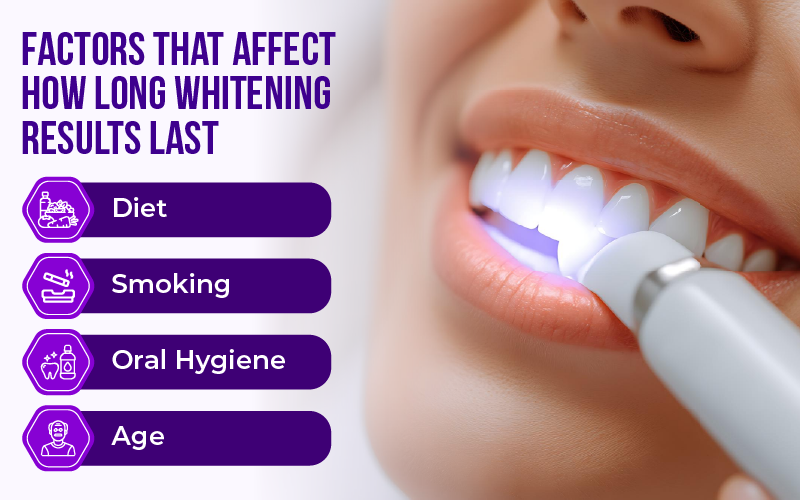
The number of times you will need teeth whitening appointments in the future relies on how closely you uphold these results. A few of the major contributers to length will be:
- Diet: Dark drinks or foods with a lot of stain-causing pigment will stain enamel over time.
- Smoking: Cigarettes and tobacco products contribute to the yellowing of teeth and thus increase the need for touch-ups.
- Oral Hygiene: Properly caring for your teeth can limit the number of touch-ups you will need. Two times a day, you would need to either brush your teeth or use floss; plus, having your teeth and gums cleaned by a dentist will help to maintain whitening results.
- Age: As we age, our enamel gets thinner; as this happens, the dentin underneath becomes more visible and makes our teeth look darker.
As long as you care for your teeth properly, whitening results (done professionally) may last between six months and three years.
Tips to Make Your Whitening Results Last Longer
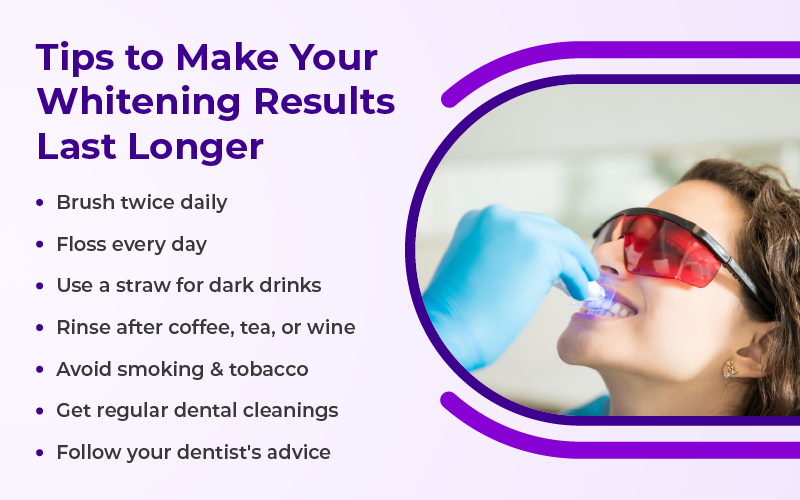
You can eliminate the necessity of frequent and regular teeth whitenings by making the following small changes to your routine:
- Brush your teeth with fluoridated toothpaste two times a day.
- Floss daily.
- Drink staining drinks through a straw as often as possible.
- Rinse your mouth with water after drinking coffee, tea, or wine.
- Do not smoke or use tobacco products.
- Schedule regular and consistent professional dental cleanings.
- Follow the advice for maintaining your oral care as given to you by your dentist.
Establishing these habits will maintain your results and promote good overall health for your teeth.
When Should You Avoid Teeth Whitening?
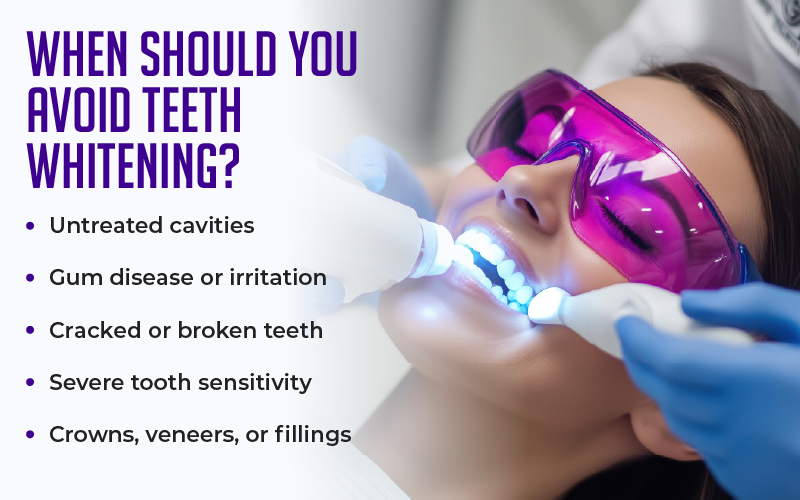
Teeth whitening is safe for almost all healthy adults; however, it may not be appropriate for everyone. If you have the following conditions, your dentist may suggest that you wait to receive teeth whitening treatments:
- Coping with cavities not being treated
- Troubling gums
- Cracked or broken teeth
- Severe tooth sensitivity
- Restorations, crowns, or veneers that cannot be bleached
A dentist’s examination will determine whether whitening is safe and workable for you before proceeding with the procedure.
Is Professional Whitening Better Than DIY Whitening?
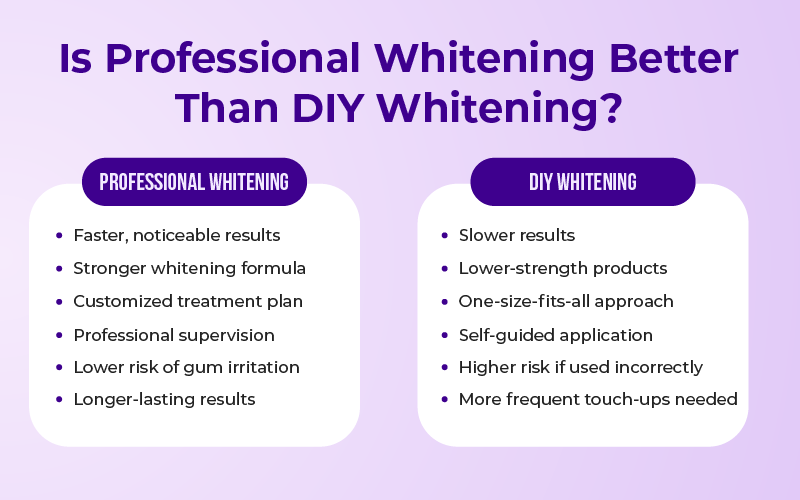
Some individuals make comparisons of whitening products available in a store vs. those available through dental professionals. There are many advantages of using professional whitening compared to over-the-counter products:
- More rapidly produced, more dramatically whiter results
- Customizable plan
- Higher strength of materials
- Less likely for gum irritation
- Professional monitoring during the course of your treatment
Even though over-the-counter whitening products may help with some mild stains, having a professional perform your teeth whitening is typically going to provide you with the most consistent, long-lasting results and requires fewer appointments to achieve your desired level of whiteness.
Final Thoughts
The answer to whether or not you need several treatments to whiten your teeth will depend on your initial tooth shade, the type of stains on your teeth, which method of teeth whitening you are using, as well as what you expect from the results of your treatment. Many patients are very happy with the results they get after only one professional teeth whitening procedure, while others may want more than one treatment to achieve their desired level of brightness.
As important as it is to know how many times to whiten your teeth, you will also need to find out how often to have your teeth whitened without damaging your oral health. Working with your dentist for your professional care will ensure that you are using effective and safe methods of treatment, while also allowing you to maintain a healthy and bright smile for many years to come.
The best way to get an appropriate whitening schedule is to see your dentist for an initial consultation to evaluate your teeth, and then your dentist will give you an individualized plan for achieving a pretty and long-lasting result while keeping enamel intact.
Frequently Asked Questions
Most individuals see a notable improvement in the shade of their teeth after about one or two professional whitening sessions. There may be a need for more than two sessions if you experience heavily stained teeth or desire to reach a shade that requires additional work to achieve (this will be discussed with your dentist).
It is advised that patients receive a professional teeth whitening treatment every six to twelve months. Your dentist will also give you periodic touch-up treatments shortly after the last procedure due to many different things, such as diet, how quickly your stain has returned, and how well you have taken care of your teeth.
Make sure to use any at-home whitening products exactly as instructed by the manufacturer and avoid excessive use, which may lead to increased sensitivity, gum irritation, and/or the potential to worsen the long-term results of the treatment.
There is no established limit for the number of teeth whitening treatments that you may undergo throughout your lifetime. Nonetheless, you should only have a whitening treatment performed as necessary and under the care of a dentist or orthodontist to prevent damage to your teeth' enamel and gums.