


Have you ever experienced the situation where someone suggested to you, “You need a crown,” and you simply nodded your head because you had no idea what that actually meant?
You are not alone.
Many people wonder what the term “dental crown” means. At first glance, it looks like an expensive and scary procedure. The word “crown” is misleading because it makes it sound as though we have to put a piece of luxurious jewelry on our tooth.
However, we should not be disappointed because the procedure is much easier than it sounds.
The dental crown is one of the most commonly used methods of restoration and often saves the tooth which would otherwise be extracted. The crown can help people with different types of tooth damage or root canals and will provide the required functionality and appearance of the tooth.
Therefore, our task here is to find out what the term means, when it is necessary to use it, and whether the procedure is beneficial.
What Is a Dental Crown?
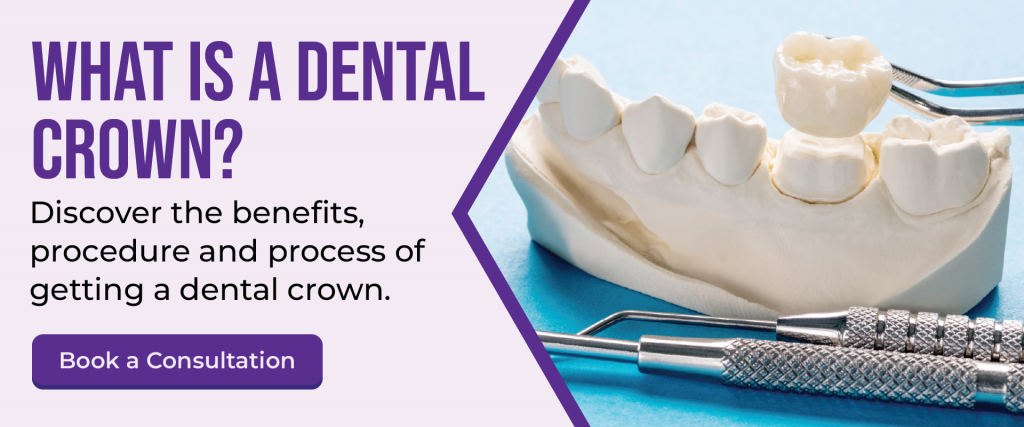
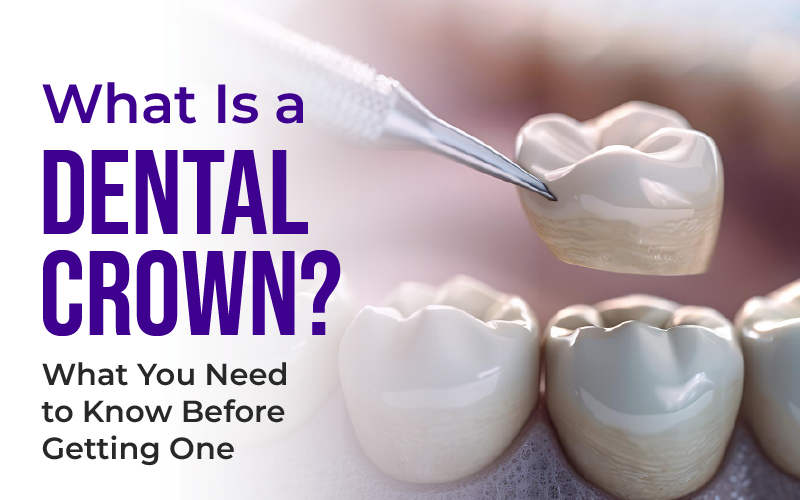
If you are curious to know What Is a Dental Crown, you can view it as a specifically designed protective cover that fits over your natural tooth.
Unlike getting a new tooth, a crown covers the part of the tooth above the gum line. It serves to restore the tooth’s size, strength, and appearance and enables you to chew, smile, and talk without discomfort.
Your natural tooth will still exist underneath whenever possible. The crown merely provides a protective cover.
Dentists usually advise using a dental crown when a tooth cannot be repaired by a filling because of the weakness and damage that has occurred.
Different Uses of Dental Crowns
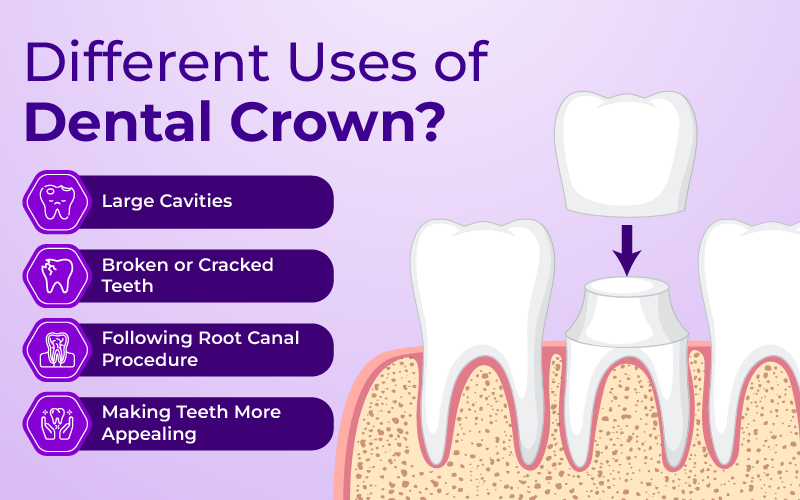
Many assume that dental crowns are only for badly damaged teeth, but dental crowns are used for many different purposes.
You could get this kind of dental treatment if you have:
Large Cavities
Sometimes, decay results in such loss of the tooth that being filled does not work; crowns act as protection.
Broken or Cracked Teeth
Cracks can also develop over time. The crown can help.
Following Root Canal Procedure
Teeth that have undergone root canal treatment are prone to being more susceptible to damage. A crown enhances protection of the tooth while chewing.
Making Teeth More Appealing
Crowns are also useful in improving the appeal of one’s teeth if they are worn out, misshapen, or changed in color as a result of certain treatments.
You can read more about purposes of Dental Crowns here:
Types of Dental Crowns
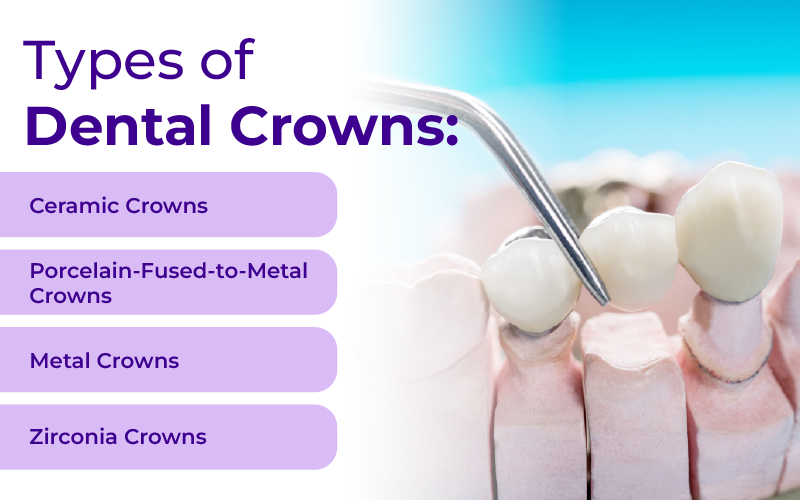
Not all crowns are designed using the same material. The best choice depends on location, budget, and the dentist’s suggestions.
Ceramic Crowns
Ceramic crowns are designed to color-match the natural tooth colors. They are preferred for the front teeth.
Porcelain-Fused-to-Metal Crowns
These crowns consist of a strong metal base covered with porcelain. They have a perfect balance between non-breakable and beautiful.
Metal Crowns
Composed of gold or metal alloys, metal crowns are widely regarded as tough and non-wearable. These crowns are typically used for molars that are required to chew heavily.
Zirconia Crowns
Zirconia crowns have gained popularity due to their beautiful and strong composition.
Cost of Dental Crown: What Affects the Price?
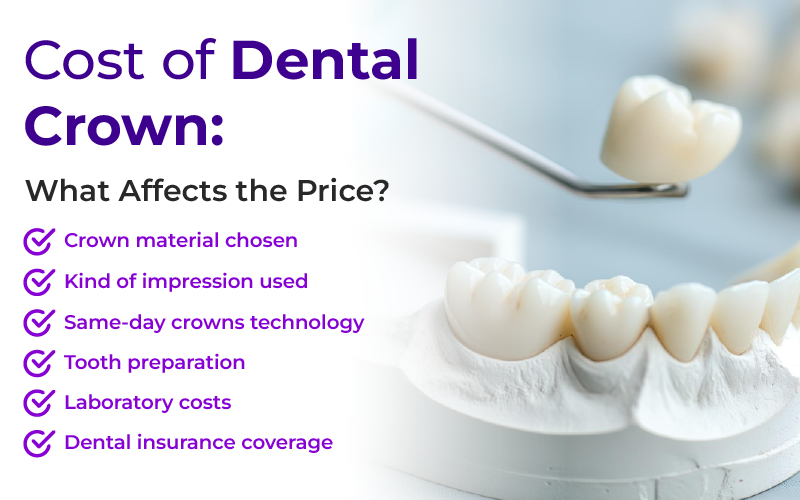
The dental crown treatment cost is not constant, as different patients have different needs.
While some only require a simple crown, some might require other procedures to undergo the dental crown procedure. Various considerations can be taken into account that constitute the total of your expenses, such as:
- Crown material chosen
- Kind of impression used
- Same-day crowns technology
- Tooth preparation
- Laboratory costs
- Dental insurance coverage
Before the treatment begins, request the dental specialist for a proper price estimate.
What Happens During the Dental Crown Procedure?
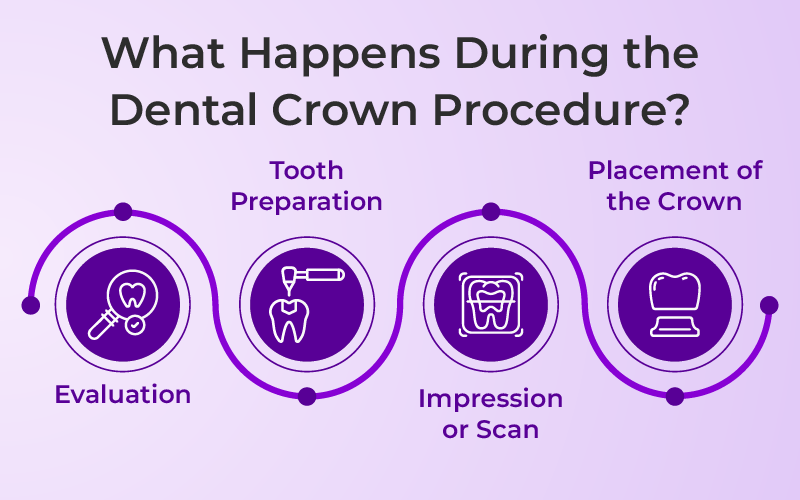
For those who haven’t undergone the process of having a crown placed, it is often not nearly as frightening an experience as people imagine.
Step 1: Evaluation
Your dentist examines your tooth and carries out any necessary X-rays, then makes a decision about whether a crown is the right solution for you.
Step 2: Tooth Preparation
The tooth may need to be slightly shaved down to accommodate the crown.
Step 3: Impression or Scan
Most modern clinics will use digital scanning technology, thereby speeding up the process while also removing any discomfort that would occur if traditional impressions were required.
Step 4: Placement of the Crown
Depending on your situation, you might receive either a temporary crown while the final version is being created, or a same-day crown, if the clinic has the facilities for it.
Finally, once the crown is ready, your dentist will check that it fits properly.
Disadvantages of Dental Crowns
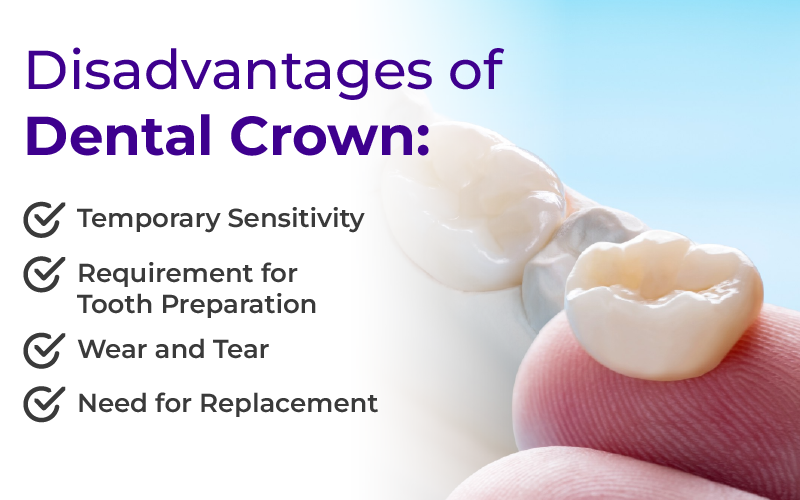
As with any dental procedure, it is important to understand the drawbacks of dental crowns.
Temporary Sensitivity
Many patients feel mild sensitivity to either hot or cold temperatures after getting the crowns, but this usually passes as time goes by.
Requirement for Tooth Preparation
A small amount of one’s natural tooth has to be shaved away to get the crown fitted properly.
Wear and Tear
Crowns are definitely strong, but they are not made of steel. Years of grinding and chewing ice may cause a crown to get damaged.
Need for Replacement
Although crowns stay in good condition for quite some time, they eventually need to be replaced depending on their material and one’s personal oral hygiene regimen.
Nonetheless, good oral hygiene practices including brushing, flossing, and regular dentist visits can help prolong the lifespan of your crown.
How Long Do Dental Crowns Last?
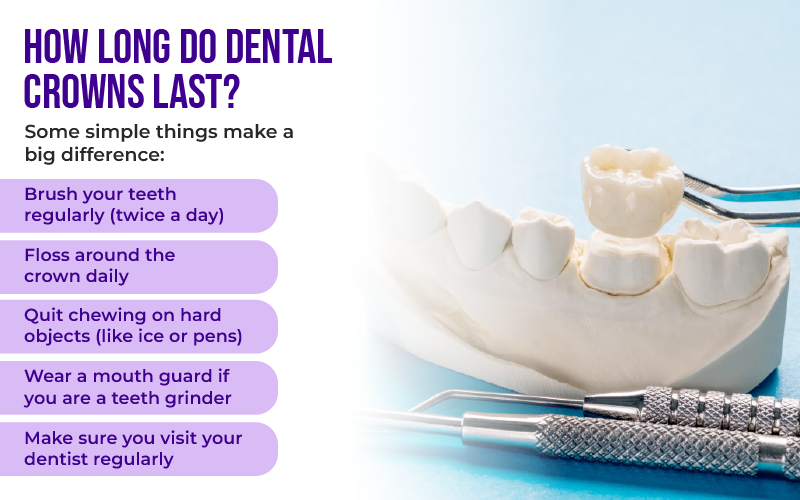
One of the first questions patients have is how long their investment will last.
Most dental crowns can last about 10-15 years, and many can last longer if the patient takes care of them well.
Some simple things make a big difference:
- Brush your teeth regularly (twice a day)
- Floss around the crown daily
- Quit chewing on hard objects (like ice or pens)
- Wear a mouth guard if you are a teeth grinder
- Make sure you visit your dentist regularly
Is a Dental Crown Worth It?
When a dentist suggests a crown for your tooth, it is more often than not because that tooth is too weak to sustain the effects of decay or other reasons and will require either repair or extraction in the future.
The crown will not simply make the tooth look good, but it will also help you chew without discomfort and keep the tooth safe. While it is certainly an investment, it is more worthwhile to keep your existing teeth than replace them later on.
Final Thoughts
When you are told that you need a crown, it can be a daunting experience, especially if it is your first time. However, once you’ve learned a little about what a dental crown is and what it does, the fear of having to decide to get one becomes much easier.
If you have been referred for crown work, make sure that you ask as many questions as possible to understand what materials, procedures, and expected outcomes are involved. The more you know about it, the more comfortable you will be with your decision.
The point of the treatment, in fact, is not just restoring the tooth, but making sure that it can become part of a healthy tooth that will enable you to stop thinking about the treatment.
Frequently Asked Questions
Not really. We would numb the area with a local anesthetic so that you should not experience pain. Some mild discomfort or sensitivity can occur, but usually fades away after a few days after the procedure is performed. If you are anxious about the process, please let us know; we will try to help you as much as we can.
In some cases depends on how well you take care of it and how often you have dental check-ups. Some people have reported their crowns lasting 10 to 15 years and even longer with proper oral hygiene and regular dentist visits. Regularly brushing, flossing, and avoiding bad habits like biting your nails will prolong the lifespan of your dental crown.
Yes, after the permanent crown is placed, you can eat anything you want. However, we recommend that you eat only after the numbness disappears and only after the plastic crown has been fitted.