


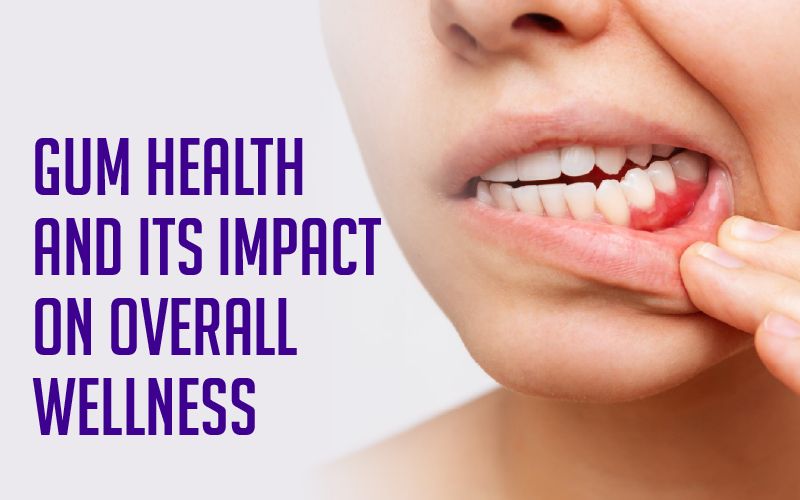
While most individuals are concerned with how their teeth will be affected by cavities, they may not consider the condition of their gums. The health of the gums plays an incredibly important role in preserving oral and whole-body health.
Gums provide support and protect the teeth. They protect the base of each tooth with a secure seal around the gum line. Healthy gums at the gum line seal out bacteria and prevent them from penetrating the deeper tissues around the teeth. Conversely, inflamed/infected gums allow bacteria to penetrate beyond the healthy gum line, causing not only dental issues, but also a multitude of systemic problems throughout the body.
Research continues to reveal the link between the health of the teeth and gums and systemic diseases, including cardiovascular disease, Type II diabetes, and other chronic inflammatory diseases. For this reason, gum health needs to be cared for not only to maintain a beautiful smile but also to promote long-term wellness.
In this article, we will explore why healthy gums are essential. We will cover some common signs of gum disease and the benefits of healthy gums when proper care is maintained. Finally, we will discuss a variety of straightforward ways to help you maintain and improve your gum health.
Why Gum Health Matters
Gums serve as the protective and supportive tissue that encompasses a tooth’s root and the bone that supports it. Strong, healthy tissue around the tooth base forms a complete closure, resulting in a proper gum line; consequently, this prevents bacteria or plaque from entering the deeper portions of the underlying tissue.
When gums fall within the normal range, they generally display the following:
- Healthy in color; generally pink and firm to the touch.
- No signs of swelling or tenderness when you examine the gums with your fingers.
- Attached firmly, encompassing the entire tooth when viewed from the side.
- Do not bleed during brushing/freshening up with dental floss.
If there is a buildup of bacteria and/or plaque along the gum line, this can cause irritation and subsequent inflammation of the gum. The early stage of this type of gum irritation is called “gingivitis.” If gingivitis is not treated, it can develop into “periodontal disease,” an advanced form of gum inflammation that affects the tissues and bone that support your teeth.
Failure to seek treatment for gum disease will lead to noticeable tooth mobility, gum recession, and eventual tooth loss. Therefore, gum health is critical to the long-term success and stability of the teeth.
In addition to oral health-related issues, there is a direct link between systemic health issues and gum disease. In particular, chronic inflammation of the gums can lead to chronic inflammatory conditions elsewhere in the body.
Early Signs of Gum Problems
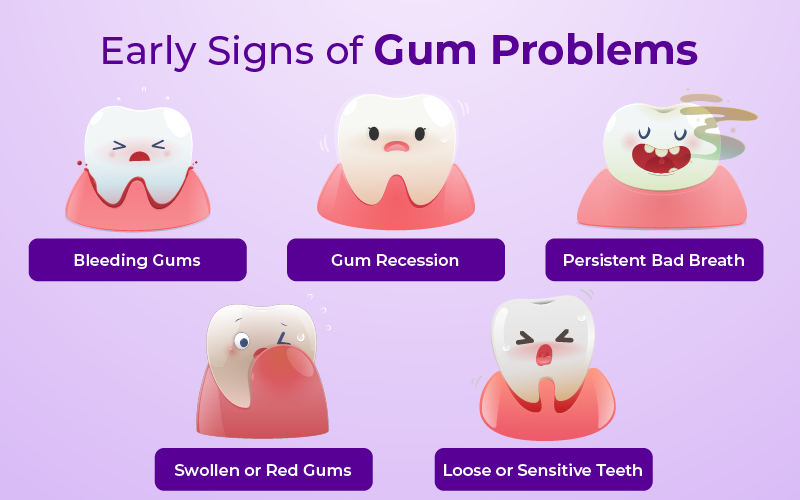
Gum disease is a problem that usually develops gradually and does not cause much discomfort early on. A lot of people don’t suspect they have issues until much later, when the problem worsens. Finding the early signs can help you get treatment before severe damage happens.
Bleeding Gums
Routine brushing or flossing may soften the gum tissues. When the gums are healthy, they should not feel soft and should not bleed easily during routine oral hygiene. Bleeding during either of these activities may indicate that the gums have become inflamed due to plaque accumulation along the healthy gum line.
Swollen or Red Gums
In a healthy mouth, the gum tissues should feel firm and should be a pale pink color. Swollen, tender, and bright red gum tissue may indicate irritation or infection. When bacteria build up around the gums, it can lead to inflammation and eventual destruction of the gum tissues.
Persistent Bad Breath
Halitosis, or chronic bad breath, can sometimes be due to the bacteria that grow underneath the gum line. If plaque builds up in this area, it can cause an unpleasant odor and indicate a problem with the health of your teeth and gums.
Gum Recession
Receding gums is a gradual process in which the gums pull away from the teeth, exposing the roots. This process will make the roots of the teeth vulnerable to bacterial infection and allow the cavity to form. Furthermore, as your gums continue to recede, bacterial growth will cause additional sensitivity to your teeth.
Loose or Sensitive Teeth
When gum disease reaches advanced stages, the bone that supports your teeth will become damaged, leading to tooth mobility and/or sensitivity. Early detection and intervention are necessary to prevent continued loss of bone support.
Early identification of any signs of disease allows you to receive treatment before complications arise; therefore, enhancing the potential for successful treatment of your gums.
Understanding Gum Disease
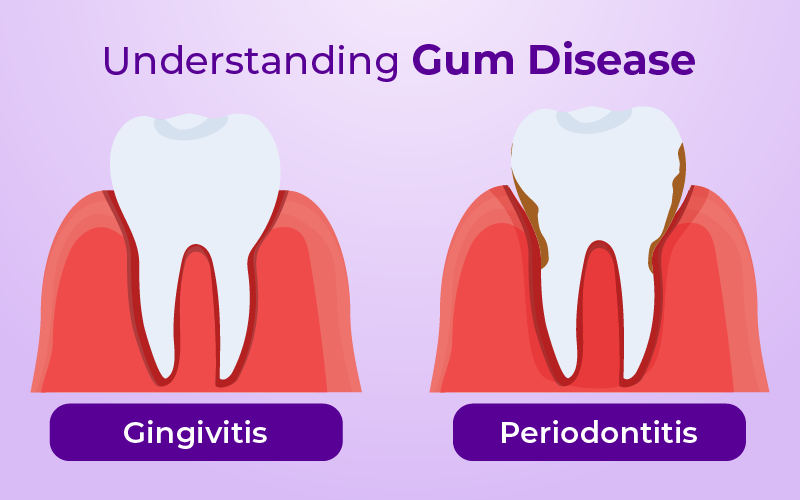
Gum disease is one of the most prevalent dental problems in the world. In fact, gum disease progresses through two distinct stages: gingivitis and periodontitis.
Gingivitis
Gingivitis is the first stage of gum disease and is primarily caused by bacteria accumulating near the gum line (plaque). The common signs and symptoms of gingivitis include:
- Bleeding when brushing or flossing
- Mild swelling or puffiness in the area
- Red or inflamed gums
Gingivitis is often reversible with improved oral hygiene and professional dental treatment.
Periodontitis
If left untreated, gingivitis can progress to periodontitis, in which bacteria enter the gum tissue and destroy the bone and tissues that hold your teeth in place. The common signs and symptoms of periodontitis include:
- Gums that recede from the teeth
- Deep pockets (deeper than 3mm) forming around the teeth
- Persistent bad breath
- Loose teeth
Advanced periodontitis can lead to tooth loss if preventive and/or early treatments for gum disease are not received.
Gum Health Benefits
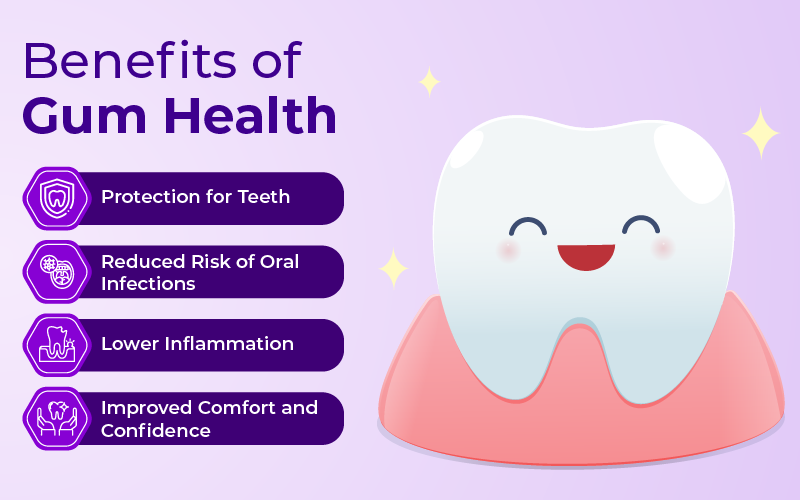
Healthy gums are essential for several reasons. Healthy gums support overall health as well as oral health.
Protection for Teeth
Healthy gums act as a protective barrier to the teeth. Strong, healthy gum tissues securely attach and hold the teeth in position and protect the supporting bone structure below the teeth. When the gums are kept healthy, the risk of losing teeth is much lower.
Reduced Risk of Oral Infections
Maintaining good oral hygiene minimizes the buildup of plaque and harmful bacteria in your gums, helping prevent gum and tooth infections. Maintaining strong gums will help you keep your teeth strong for years with minimal need for extensive dental treatments.
Lower Inflammation
Chronic infections in the gums are known to contribute to systemic inflammation. By keeping your gums healthy, you can lessen your inflammation, which could affect other chronic diseases.
Improved Comfort and Confidence
People with healthy gums tend to experience no problems, such as bleeding, swelling, or bad breath. Therefore, these people usually feel much more self-confident when they speak, eat, or smile in public settings.
How to Get Healthy Gums
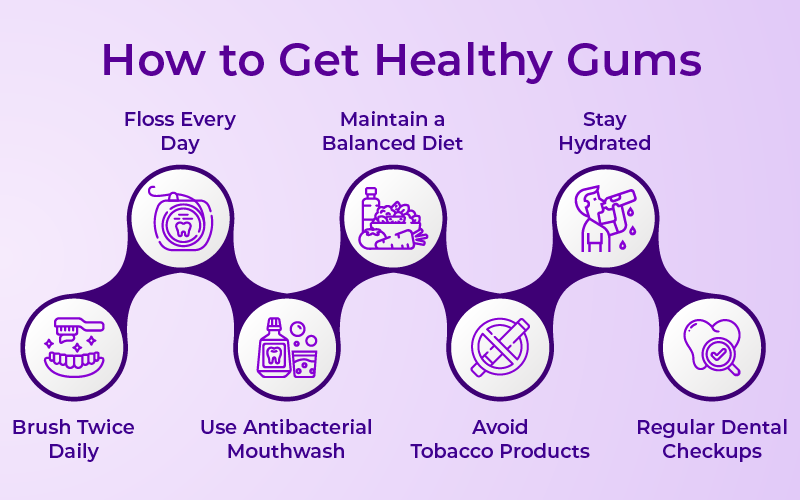
You must put a lot of time and effort into your oral hygiene to keep your gums healthy. Thankfully, there are many basic habits you can adopt to greatly improve the health of your gums.
Brush Twice Daily
By brushing your teeth at least twice a day, you can remove plaque and bacteria from your teeth so they don’t irritate your gums. You want to choose a soft-bristled toothbrush and gently brush each tooth along its healthy gum line to help prevent gum injury.
Floss Every Day
When you floss, you can remove plaque and food debris from the spaces between your teeth that brushing cannot reach, which is very important for maintaining the health of your teeth and gums and preventing plaque from building up below your gums.
Use Antibacterial Mouthwash
Using mouthwash can help reduce the number of bacteria in your mouth, promote gum health, control plaque, and freshen your breath.
Maintain a Balanced Diet
A balanced diet that contains vitamins and minerals is crucial for developing healthy gums. Examples of nutritious foods that support gum tissue growth include leafy greens, fruits, dairy products, and various nuts. When gum tissue is overly inflamed, these foods can help reduce inflammation and build stronger gums.
Avoid Tobacco Products
Using tobacco products, especially cigarettes, increases your risk of developing gum disease. Tobacco can damage your immune system and reduce your body’s ability to fight off infections, which can affect your gums.
Stay Hydrated
By taking in more water, you can wash away food particles that may be stuck to your teeth and any existing bacteria. Drinking adequate amounts of water also promotes saliva production, which is essential for maintaining good oral hygiene.
Schedule Regular Dental Checkups
Orthodontic appointments can help you see any signs of gum disease before they become serious. During routine cleanings, your dentist can remove any calcified plaque (hardened plaque) on your teeth, which brushing or flossing alone cannot remove.
Visiting your dentist regularly will help improve your gum health and maintain a healthy gum line.
Improving Gum Health Over Time
Maintaining healthy gums isn’t a quick fix. It requires consistent daily care and preventive care over time.
Brushing and flossing daily, eating a healthy diet, receiving routine dental exams, and providing proper periodontal care will strengthen your healthy gum tissues and help your healthy gum line remain healthy over time.
In addition to routine gum maintenance, your dentist may recommend specialized procedures (e.g., deep cleaning and/or periodontal therapy) for those with gum disease. Specialty procedures can remove bacteria beneath your gums, treat the infected area, and help you recover from gum disease.
Early detection is the most critical aspect of maintaining healthy gums. By detecting small problems early in the development process, the chances of preventing larger dental problems later on will be greatly reduced.
Final Thoughts
A healthy set of gums provides the basis for a healthy smile. Healthy gums help stabilize your teeth, preserve oral tissues, and contribute to your overall health.
Maintaining excellent oral hygiene, recognizing the early warning signs of potential problems with gums and teeth, and following a routine schedule for dental care provide opportunities to preserve both teeth and gums and allow an individual to reap the benefits of good long-term gum health.
The investment you make in improving your gum health today will pay off with a stronger, healthier smile for you in the future.
Frequently Asked Questions
Gum health is crucial because the gums hold teeth in place and serve as a barrier against harmful bacteria, preventing them from infecting or inflaming deeper tissues. If your gums are not taken care of, the risk of infection and inflammation increases and may adversely affect your general health. Healthy gums ensure that you have a nice smile, and they will continue to ensure a good quality of life moving forward.
Some common symptoms of poor gum health include bleeding when brushing, swollen or red gums, persistent bad breath, and receding gums. Usually, these symptoms indicate irritation or plaque buildup near your healthy gum line. Identifying these early on will help prevent more severe issues and improve gum health.
To improve gum health daily, brush your teeth twice a day with a fluoride toothpaste, floss daily, and use an antibacterial mouthwash. In addition, eating nutritious foods and drinking water will also help to improve gum health. Also, it is important to visit the dentist regularly to maintain healthy teeth and gums.
Foods that contain vitamins and minerals are an important part of maintaining healthy gums. Dark green vegetables, citrus fruits, dairy products, nuts, and high-water-content vegetables would be examples of these types of foods. They provide nutrients that help develop and maintain healthy gum tissue, assist in reducing inflammation, and promote tooth and gum health over time.
It is recommended that dental professionals perform a professional cleaning and assessment of your dental health about every six months. Regular visits allow the dental professional to identify gum disease in its early stages and provide treatment before any serious condition develops. It is very beneficial to continue with routine dental care to keep your gum line healthy and intact.