


Do you ever find yourself in a conversation and suddenly realize that you have bad breath?
You might think, while trying to conceal bad breath, that there might be something wrong with you and that you might need some mints. Most people have had this experience at least once.
Sometimes we realize we have bad breath when we’ve just finished dinner, sometimes when we wake up the next morning, and other times when we’ve just brushed our teeth but still have that “minty” smell in our mouths.
Bad breath can be due to a variety of normal causes, but it can also be caused by other, less normal ones. Understanding the causes will make it much easier to permanently fix bad breath, rather than trying to disguise it with mints every time.
Let us review what could be causing the problem and offer some suggestions to get rid of bad breath.
Why Your Breath Might Smell
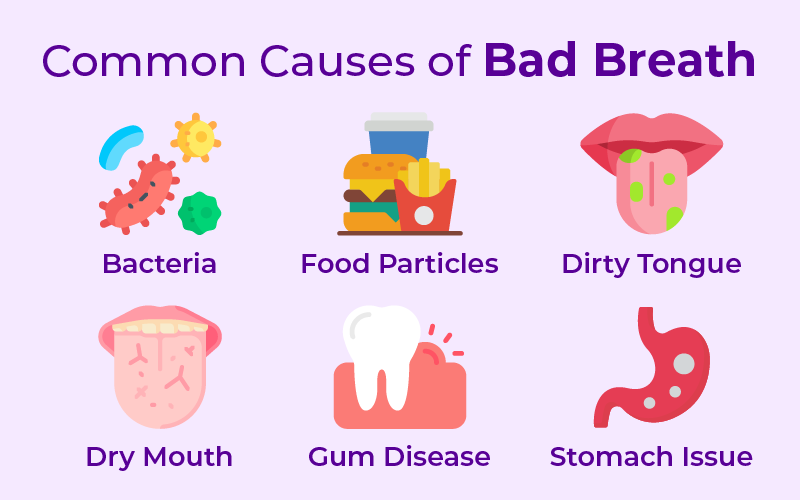
Bacteria typically cause bad breath (halitosis) initially. Your mouth contains many different types of bacteria in healthy amounts, living harmoniously with one another. However, if you have had food left in your mouth too long (debris), the bacteria will begin to decompose that food, thereby producing sulfur compounds that produce the odor associated with your bad breath.
Thus, if you’ve experienced a sudden bad odor from your breath after several meals or earlier in the day, the majority of your issue would be attributable to bacteria.
Now, let’s explore some major causes of this type of bad breath.
Food Particles Are Sticking Around Longer Than You Think
You may be brushing your teeth regularly, but even small bits of food can get trapped between your teeth or on your gums. When food remains on your teeth for long periods, the bacteria in your mouth break it down and produce odors. This explains why people often find that they have bad breath after eating.
One of the other things that can worsen bad breath after eating is consuming strong-smelling natural foods such as:
• Garlic
• Onions
• Coffee
• Sweets
• Foods that are sticky, such as caramel or dried fruits.
All of these items are necessarily bad for you, but they can leave behind residues that bacteria will find appealing.
What Helps
To determine how to eliminate bad breath, you should begin at the beginning:
- Brush your teeth two times daily
- Floss once daily
- Rinse after each meal
- Drink plenty of water
Although each of these simple little habits may seem minimal, when combined, they will greatly help prevent offensive bad breath.
Your Tongue Might Be the Hidden Source
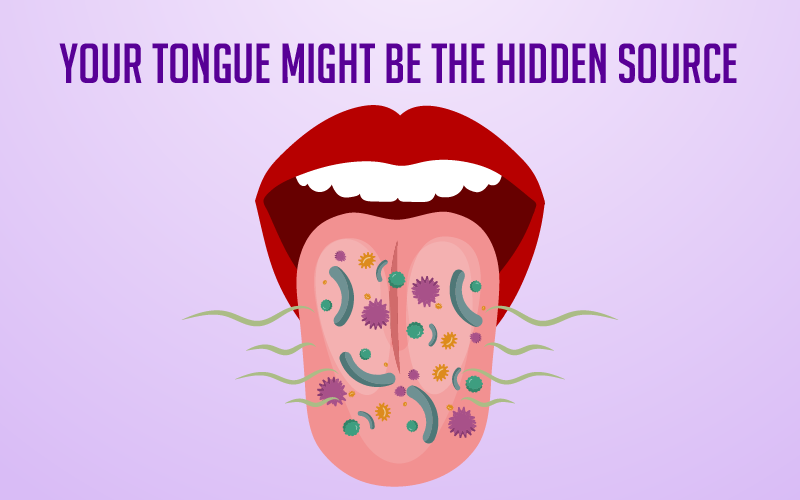
Most individuals do not know that the tongue has many types of bacteria present on its surface. If you have looked at your tongue in a mirror and have observed some white or yellowish-colored coating on it, that coating is mostly made up of different types of debris and bacteria.
Furthermore, you can likely smell it on the back of the tongue, as it is a major cause of chronic bad breath.
Simple Step That Helps
Cleaning your tongue can greatly help with oral hygiene, and there are different ways to accomplish this:
- Using a tongue scraper
- Gently brushing your tongue with your toothbrush
Adding this small step into your routine can make it more effective in eliminating bad breath than simply brushing your teeth.
Your Mouth Might Be Too Dry
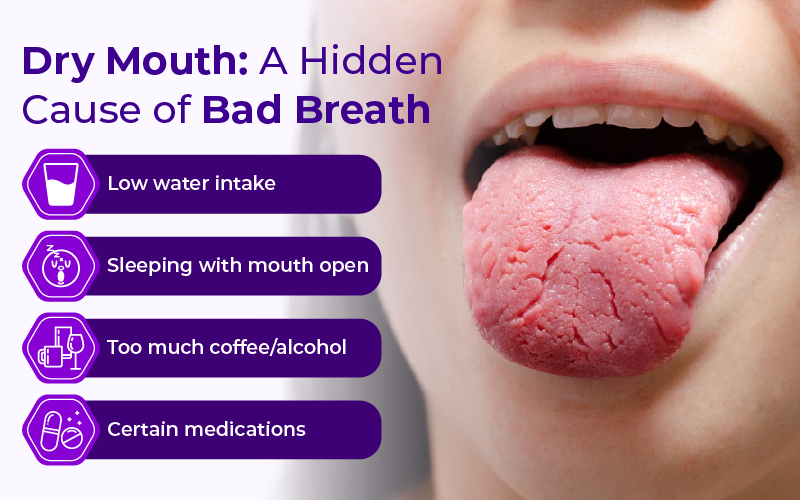
The truth is, saliva is a major factor in combating unwanted odors from your mouth.
Saliva removes food particles from the mouth and prevents bacteria from multiplying as quickly as they normally would.
If you have less saliva in your mouth, it is easier for these same bacteria to grow, resulting in stronger odors.
That is why most people have “morning breath.”
Dry Mouth Can Happen If You
- Don’t drink enough water
- Sleep with your mouth open
- Drink a lot of coffee or alcohol
- Take certain medications
Helpful Tips for Bad Breath Caused by Dryness
There are a number of things you can do to improve your situation:
- Drink water during the day
- Chew sugarless gum
- Use mouthwash only without alcohol
- Make sure your body stays hydrated
In many cases, just making sure that you’re staying hydrated can fix bad breath very quickly.
Your Gums Might Be Trying to Tell You Something
Have you been experiencing bad breath, and you are unable to find an underlying cause? You may have gum disease. Plaque forms along the gum line and irritates the tissue, which causes gum disease. The plaque can build up along the gum line and, over time, form small pockets between the teeth and gums, creating a good place for odor-causing bacteria.
Signs to Watch For
Some signs that you may need to consult a dentist about bad breath include:
- Are you experiencing bleeding while brushing?
- Are your gums swollen and/or sensitive?
- Are you experiencing a persistent metallic taste or something that shouldn’t be there in your mouth?
- Does brushing or rinsing your mouth only give temporary relief from an unpleasant odor?
The best option in such cases is generally through a dental professional. A teeth cleaning appointment can remove plaque and tartar that have built up on your teeth and cannot be removed simply by brushing.
Sometimes the Cause Isn’t in Your Mouth
Bad breath may also originate outside of the mouth, which may be surprising to some people. Some people may suffer from bad breath due to having gastrointestinal issues. Digestive issues like acid reflux (also referred to as GERD) can allow stomach acid and gas to flow upward into the throat and result in foul-smelling breath.
You Might Notice This If You Also Experience
If you experience a sour flavor, frequent bloating, rapid-rebounding breath after brushing, or similar symptoms, consult a physician; these symptoms may indicate an underlying digestive disorder that your physician can identify and address. If the underlying digestive condition is treated, the unpleasant breath odor may also be eliminated.
Simple Ways You Can Fix Bad Breath
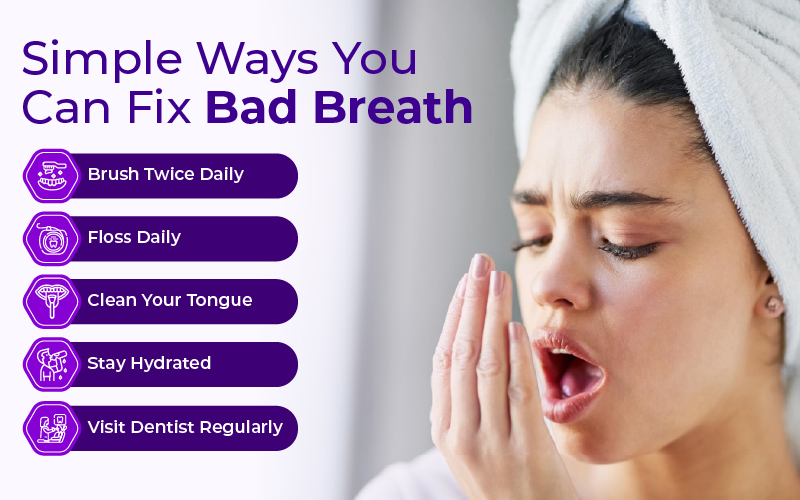
Bad breath can often be improved with regular care, so if you’re trying to get rid of it, you need to establish a daily routine to improve your oral hygiene.
Your routine should include:
- Brushing your teeth twice a day for at least two minutes
- Flossing your teeth at least once daily
- Cleaning your tongue
- Drinking sufficient quantities of water
- Going to your dentist regularly
These habits will help minimize the number of bacteria that cause bad breath and thus aid in eliminating its causes.
Do You Need Bad Breath Medicine?
People often go online looking for a quick fix for their bad breath problem. Some people will need to take medication for bad breath, especially if they have a mouth infection or another underlying health issue related to it.
However, in many situations, medications are not the answer for your bad breath problem. Usually, doctors will want to identify the underlying cause of your bad breath and provide you with recommendations to get rid of it instead of only masking the issue. A non-masking approach to treating bad breath typically provides a longer-term solution.
Small Daily Habits That Help Prevent Bad Breath
In most cases, preventing halitosis comes from a set of easy, day-to-day habits.
Here are some ways to eliminate or prevent bad breath:
- Brush and floss your teeth regularly
- Daily tongue cleaning
- Drink water throughout the day
- Reduce sugary foods in your diet
- Avoid using tobacco products
- Visit the dentist regularly for check-ups and cleaning
Establishing healthy habits will help create a good environment for maintaining fresh-smelling breath and help you eliminate bad breath naturally.
Wrapping Up!
Bad breath often becomes a source of embarrassment. For example, having bad breath may cause you to hesitate before speaking, laughing, or getting too close to someone.
That said, it is very common for people to have bad breath, and, in most cases, it can be corrected.
This is usually the result of your body telling you there is something in need of attention (e.g., not enough water, poor oral hygiene, or an issue with one of your teeth), and you can then determine a solution.
Instead of constantly masking the smell of bad breath, try to understand what is causing it, as doing so will make it easier to solve the problem and allow you to speak with confidence.
Frequently Asked Questions
The most common cause of bad breath is bacteria from food that builds up in the mouth. When you eat and have food stuck between your teeth or on your tongue, bacteria will break down the remaining food and produce a strong-smelling odor. If you keep your mouth clean, you can usually get rid of the bad breath caused by bacteria.
To get rid of your bad breath quickly, you should brush your teeth, floss, and clean your tongue to remove any bacteria or food particles stuck there. You can also drink beverages to help wash them down for temporary relief, chew sugar-free gum, and rinse your mouth after you eat to help with bad breath.
Yes. Certain digestive conditions can cause the stomach gases to rise, producing an unpleasant odor on your breath. If you treat your mouth properly and still suffer from bad breath, speak to your doctor for treatment.
Yes, it’s normal to have bad breath after eating something like garlic, onions, coffee, or anything that contains strong-scented compounds; they will all produce a harsh odor on your breath as they are digested. Brushing, flossing, and drinking water will help reduce your breath odor faster.
If you have had bad breath for a long time, regardless of your attempts to maintain proper dental hygiene through regular cleanings, brushing, and flossing, this may indicate a dental problem, such as gingivitis or another dental disease. Therefore, the dentist will be able to assess the situation, determine the cause of the chronic bad breath, and provide a treatment plan for the patient to follow, along with any required medications.