



Many consider their oral health as just having fresh breath and clean teeth. In fact, your mouth can greatly affect your overall health, as it serves as a gateway to the body and contains over 100 distinct bacterial species. Most types of bacteria are harmless if your mouth is kept clean through proper care; however, neglecting dental hygiene can create an environment that promotes the growth of harmful bacteria and can result in complications with your oral health problems, such as tooth decay, gum disease, and infection.
Research has also shown that oral health can directly correlate to overall health; thus, poor dental hygiene can lead to inflammation, infection, and complications within the rest of your body. Once you are aware of the correlation between oral health and overall health, you will be able to make better choices about your daily oral care.
In this guide, we’ll discuss why oral and overall health are related, what types of dental issues you may experience, and the benefits of good oral hygiene.
Why Is Oral Health Important?
To understand why oral health is important, you should first become aware of how your mouth contributes to your overall health.
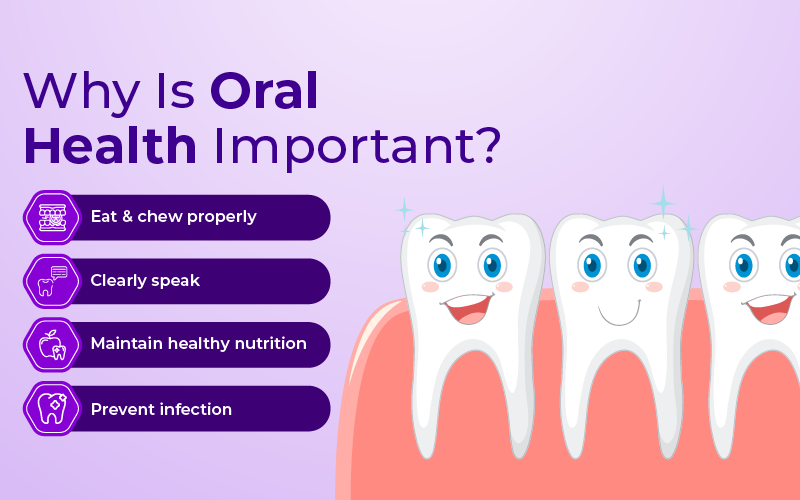
Good dental health allows you to do these functions:
- Properly eat and chew your food
- Clearly speak
- Maintain healthy nutrition
- Prevent infection
If you neglect your dental health, bacteria in your mouth will accumulate and form plaque. Eventually, this plaque will irritate your gums, and this will ultimately lead to infection. If the gum tissue becomes infected, the bacteria can now enter your bloodstream and affect other organs.
Because of the link between your oral and overall health, dentists and other members of the medical community regularly emphasize it. By keeping your teeth and gums healthy, you help keep your body and overall health free from more serious complications.
The Connection Between Oral Health and Overall Health
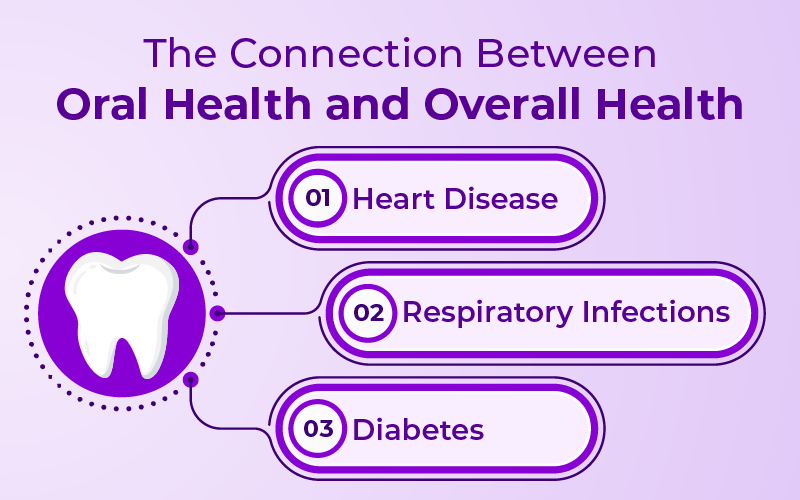
The links among the body as a whole, oral health, and certain diseases are demonstrated in many studies by dental and medical institutions. Some examples of these areas are as follows:
Heart Disease
Chronic inflammation occurs in people with gum disease and, in turn, increases the risk of cardiovascular disease over the long term. Studies have found that patients suffering from severe gum disease have an increased risk of developing the following cardiovascular diseases:
- Heart disease
- Stroke
- Clogging of the arteries
Although oral hygiene alone cannot prevent patients from developing heart disease, maintaining healthy gums can help reduce inflammation and improve overall cardiovascular health.
Diabetes
There is a strong relationship between diabetes and dental health, and both factors affect one another in relation to a patient’s ability to fight infections.
Individuals diagnosed with diabetes typically develop gum infections more often than other population groups because high blood sugar levels impair the body’s ability to fight off bacterial infections.
However, if a patient has untreated gum disease, they will have difficulty controlling their blood sugar levels due to inflammation. A patient who has diabetes will improve their dental health and ultimately will improve their ability to control blood sugar levels through proper dental care.
Respiratory Infections
The mouth and other parts of the body are closely connected. The bacteria found in the mouth can enter the lungs when inhaled, which may put people, especially older individuals and those with compromised immune systems, at risk of respiratory tract infections.
Maintaining good dental care will help reduce the number of bacteria that enter the lungs through inhalation, thereby reducing the risk of respiratory tract infections.
Common Oral Health Problems
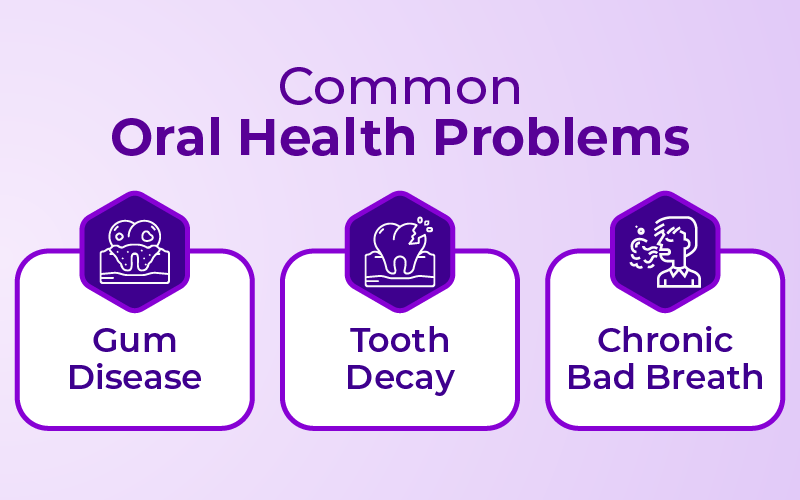
Many dental issues develop slowly, and in fact, most people experience some of these problems without pain early on. This is why regular dental checkups and a daily dental hygiene routine are critical for early detection of many dental issues.
Gum Disease
Periodontal disease, often referred to as “gum disease,” is a prevalent dental condition among many adults. Signs of periodontal disease can include the following:
- Bleeding gums
- Swelling or redness of gums
- Persistent bad breath
In the absence of treatment, periodontal disease will damage the underlying bone that supports the teeth and can lead to tooth loss.
Tooth Decay
Tooth decay develops when the bacterium in plaque combines with sugars in food and drinks to create an acid that destroys the enamel of your teeth. As a result, you experience cavities. Some of the most common reasons you develop cavities are:
- Frequent consumption of sugary snacks and drinks
- Poor brushing habits
- Not utilizing floss
Once a cavity is untreated, you can develop an infection in your tooth that will lead to a severe toothache and/or loss of that tooth.
Chronic Bad Breath
Chronic bad breath (also known as halitosis) can indicate an underlying issue that requires treatment. Many of the reasons you might have chronic bad breath could be caused by the following:
- Bacteria build up in plaque on the teeth
- Periodontal disease
- Poor oral hygiene
In many instances, treating the source of the bad breath will improve your overall dental health and breath.
Oral Health Facts Everyone Should Know
A better understanding of some important oral health statistics could provide additional reasoning behind why it’s necessary to provide daily oral care. Some key statistics include:
- There are over 700 different species of bacteria in the mouth
- Almost 1/2 of all adults globally have some form of periodontal (Gum) Disease
- Tooth brushing alone removes approximately 60% of the tooth surfaces
- Flossing can remove plaque between the teeth and in deep pockets around the teeth, where a toothbrush is ineffective
These statistics illustrate that proper tooth care requires an individual to combine routine daily habits with routine professional oral care.
Benefits of Good Dental Hygiene
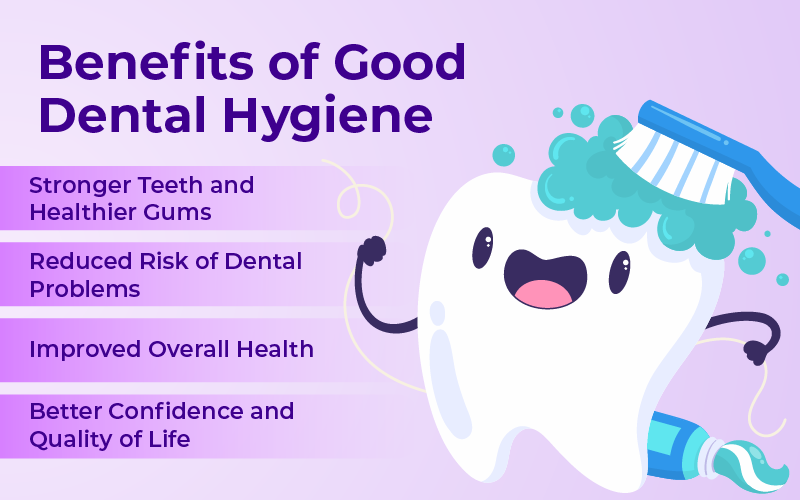
By developing good dental habits early in life, a person can expect many positive benefits over time. A person’s overall health can also benefit from good dental habits, in addition to the oral cavity.
Stronger Teeth and Healthier Gums
Good daily brushing habits can help remove the plaque and bacteria from the surfaces of the teeth and gums. As these are the bacteria that cause decay or infection in teeth, the continued removal of plaque and bacteria will continue to help support strong teeth and healthy gums.
Reduced Risk of Dental Problems
People who consistently practice good oral care have a lower risk of developing significant oral health problems. In addition, a person is at lower risk of developing complications associated with the end stages of oral cavity disease (such as tooth loss) if preventive oral care is successful.
Improved Overall Health
Oral health is directly related to overall health. Therefore, if someone has a lot of plaque buildup from poor oral hygiene, they have the same systemic problems (such as diseases and infections) in the rest of the body that they would have if they developed similar problems specifically related to their mouth.
Better Confidence and Quality of Life
When the jaw bones and the muscles around the mouth are healthy, the person can eat, speak, and smile with confidence. All of these factors combined contribute to a significantly enhanced quality of life and increased confidence level.
Tips to Maintain Good Oral Health
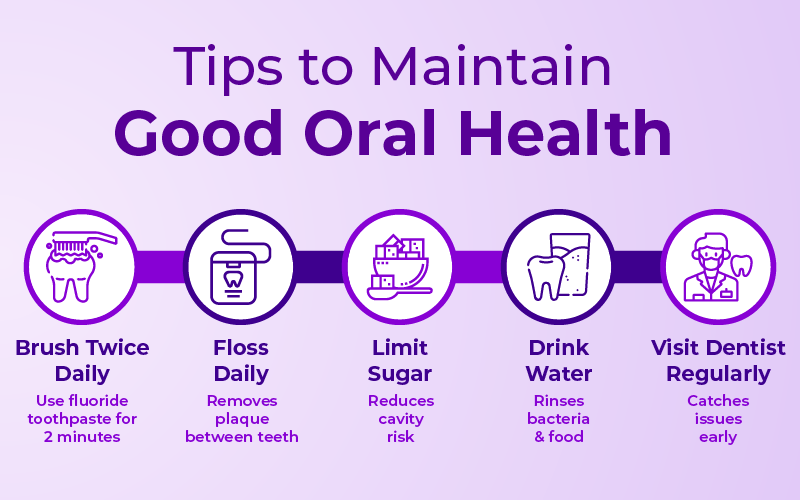
By establishing a regular habit, you can preserve your oral health and reduce the risk of future dental issues.
- Brush Twice a Day: Use fluoride toothpaste and brush for at least 2 minutes each time.
- Floss Daily: Floss helps to remove plaque and food that may be stuck between your teeth.
- Limit Sugary Foods: By minimizing the amount of sugar you consume, you reduce your risk of cavities.
- Drink Plenty of Water: Water acts as a way to rinse off bacteria and food.
- Visit Your Dentist Regularly: Routine dental cleanings help your dentist catch issues that may need attention before they worsen.
You can use simple daily habits to help promote healthy teeth and overall wellness.
Final Thoughts
Oral health and overall health are much more closely linked than most realize; the mouth helps defend the rest of the body against infection and inflammation.
By practicing proper dental hygiene and getting regular professional dental care, you can mitigate many common dental problems and benefit from better oral health over time.
Taking care of your teeth and gums is one of the most important daily habits you can incorporate into your routine to support long-term protection for your overall health.
Frequently Asked Questions
Maintaining good oral hygiene plays a major role in keeping the body healthy as a whole. If we have poor oral hygiene, bacteria can enter our bloodstream and cause inflammation and infection. Maintaining good oral hygiene helps support oral and overall health. Maintaining good oral health will also lower the chance of developing systemic health concerns.
Common examples of oral health problems include tooth decay, bad breath, gum disease, and sensitivity to hot/cold. These problems are generally caused by plaque (which forms when food is left on teeth), poor brushing techniques, a high-sugar diet, and not attending regular dental visits. It is important to catch these problems early and practice good oral hygiene to prevent future issues.
To develop and maintain good oral health, it is important that you brush your teeth with fluoride toothpaste at least twice a day, floss at least once a day, limit sugary foods, drink plenty of water, and visit the dentist regularly. By developing these habits, you can help protect your teeth from decay, minimize plaque buildup, and maintain your long-term oral and overall health.
Some of the benefits of proper oral hygiene include stronger teeth, fresher breath, and a reduced risk of developing cavities and gum disease. In addition, maintaining a routine oral hygiene routine will promote oral and overall health by reducing inflammation and contributing to your confidence and well-being.
Most dental professionals recommend visiting the dentist for routine checkups and cleanings every six months. Routine visits allow for early detection of oral health problems. Routine checkups will help preserve the health and dental function of the teeth and support overall health and long-term oral care.