


There are those awkward times when someone tells you to smile, and you forget how to smile. You pull your lips back as if posing for a passport photo. You try to show you’re happy, but it comes out looking like you have just smelled something awful (burnt toast).
Most people really don’t dislike their smile; they dislike feeling self-conscious about it. Honestly, it affects everything you do: job interviews, first dates, Zoom calls, your family photo you’ll pretend not to look at at 1 a.m.
Your smile is personal; it has everything to do with how confident you feel, how healthy you are, whether you’re stressed out, and how you speak to yourself when nobody is watching.
The good news: You don’t need teeth like a movie star or perfectly symmetrical teeth to smile well. A proper smile usually has more to do with how comfortable, healthy, and authentic you are than with being perfectly symmetrical (straight, white, etc.).
Therefore, if you are looking for how to smile better, or maybe how to improve your smile without turning your life into a commercial for dental care, here are your real-world options. Not “10 easy hacks.” Just three very simple things you can do to create a great smile.
Step 1: Fix the Foundation, Because Healthy Teeth Smile Better
A smile doesn’t actually begin at the instant of taking the picture; it begins long before that with your overall health.
While you can use all sorts of cosmetics to arrive at the perfect smile, like whitening, contouring, polishing, and filtering, if you are suffering from irritated gums or discomfort while drinking a cold beverage, your smile isn’t going to look natural. Your body knows when something is not right.
By consistently taking care of your basic oral health, you will lay the foundation for developing the confidence you need to achieve an attractive smile.
Small Habits Matter More Than Big Makeovers
Many people mistakenly believe that achieving a healthier smile requires major treatment. In practice, dentists can see significant improvement when small actions become habits in a patient’s daily routine.
Some examples:
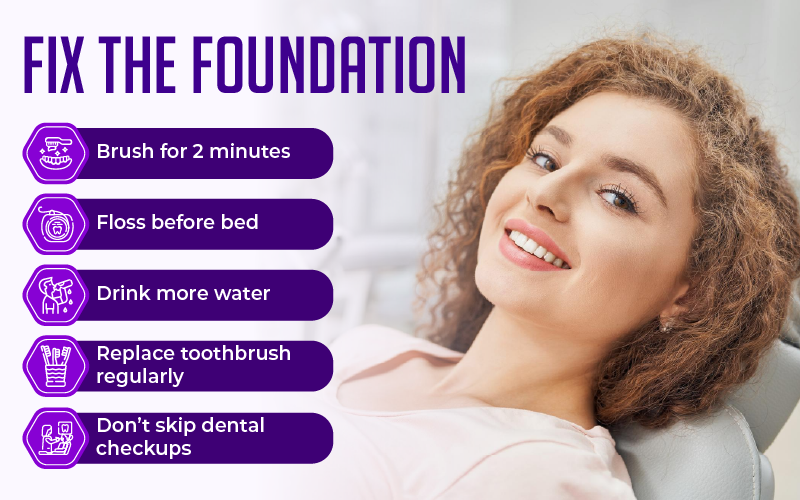
- Brushing your teeth for a full two minutes instead of the 27 seconds that many of us rush through
- Flossing before bed, even though you might be tired and are already under the covers
- Drinking more water after you’ve had soda or coffee
- Replace your toothbrush with a new one before it looks like it’s been used to paint an entire house
These are all things that most of us do anyway, but they have a profound effect.
According to the American Dental Association, brushing your teeth regularly with a fluoride toothpaste and flossing each day reduces plaque on your teeth and the risk of gum disease. Having healthier gums, in turn, will greatly improve the overall look of your smile. You’ll look less bloated, the color will look better (less inflammation means less red), and you’ll look much more confident when you laugh.
When considering tips for having healthy smiles, people don’t usually mention that these tips involve how we’ll feel. If your mouth feels healthy, you’ll smile without thinking, and that’s when our smiles usually look their best.
Don’t Ignore What Your Dentist Keeps Mentioning
No one enjoys hearing, “It’s recommended you wear your night guard.”
However, if you experience bruxism (tooth grinding), jaw clenching, or wake up with a headache, then your smile will eventually suffer more than you think.
Worn-down teeth, chips, jaw tension, and fatigue can all affect your overall appearance over time.
Many patients seeking a nice smile may have underlying issues that have not been addressed because they have not received treatment.
Occasionally, the only solution is not cosmetic; it could be treating what you’ve put off for two years because of life’s busyness.
And we all know how that goes!
Step 2: Learn How to Smile More Naturally
You can easily recognize someone who possesses those attributes.
The tightness of their face, their lips stretched further than they should be, and their rigid eyes may indicate that someone is emotionally closed off.
A smile that is created naturally will be made first from the eyes, then from the mouth.
While it may feel a little cheesy, it actually makes sense.
If you are worried about how you will smile, you are probably overthinking the smile itself rather than focusing on how it feels.
When we “overthink,” we create tension within ourselves, which then becomes visible on our faces.
Stop “Performing” Your Smile
It’s not uncommon for an individual to get nervous when posing for pictures; they mainly think the following during this time.
Are my teeth showing too much?
Is this side of my face not proportionate to the opposite side?
Do I look awkward?
What does my face look like?
The picture is now snapped, and the moment has passed before the photos were taken.
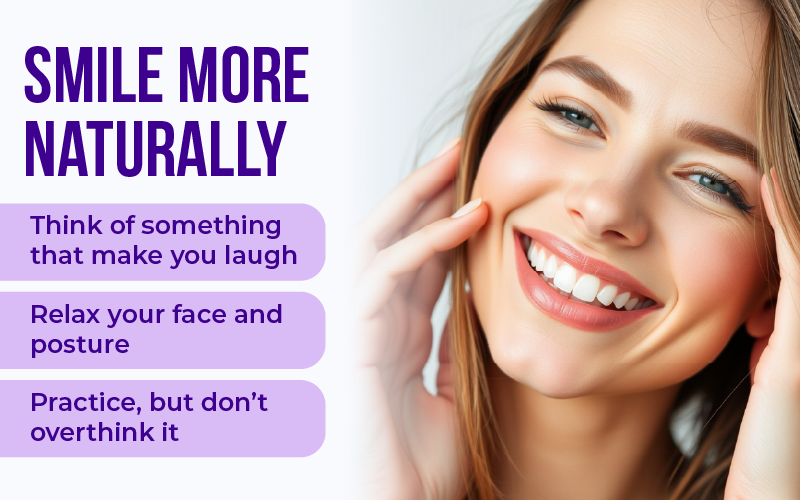
Instead of focusing on your teeth or how you might be presenting or how you are looking, think about something real that happened before taking a picture.
- Did your friend have an embarrassing moment falling off a paddleboard?
- Did your dog run through a glass door?
- Did a teacher say “espresso” for an entire semester?
When a person can relate to a memory of an event and smile emotionally, they will produce a warmer, friendlier smile than a regular smile. Photographers also talk frequently about creating and capturing genuine emotion to deliver a better photo.
Duchenne smiles are naturally warmer and more reliable. The more brainwashing/ image-editing you see, the more you will see that most human beings possess the same level of imperfection.
Your Posture Changes Your Smile More Than You Realize
A smile is part of the face and cannot be separated from the rest of it. So, if your neck is tense and your jaw is tight, your smile will look different than if they weren’t so tight. You can even see the signs of stress in someone’s mouth sometimes.
You can experience this yourself right now.
- Relax your tongue from the roof of your mouth
- Drop your shoulders slightly
- Unclench your jaw
- Exhale before you smile
This will feel different than if you hadn’t done those four things.
Many people searching for a better smile don’t actually need cosmetic changes; they just need to relieve tension in their neck and jaw.
Unfortunately, this is both annoying and comforting.
Practice, But Don’t Turn It Into a Performance
Practicing your smile in a mirror is completely acceptable. Actors and public speakers use this method, as do some dentists who have patients rehearse smiling after completing dental work. Whether your smile is “perfect” or not doesn’t matter.
A slightly askew smile that invites friendship still has a better “wow” quality to it than a straight, stiff smile every time. Some of the most unforgettable smiles are the less-than-ideal ones!
Step 3: Make Long-Term Changes That Create a Healthier Smile
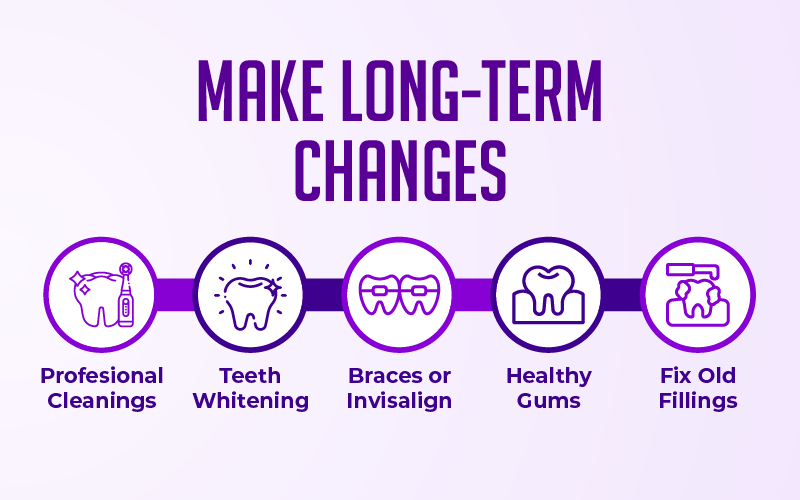
Your smile can be improved with a variety of options, such as tooth whitening, orthodontic treatment, and cosmetic dentistry, which can ultimately restore your confidence. The emotional impact will last for as long as it took you to get used to showing off your new smile, so it’s crucial to take the time to be kind to yourself during that process.
Many people are not good at practicing self-compassion.
Consider the Treatments That Actually Fit Your Life
Veneers aren’t right for everyone. Honestly. The current trend on social media has led us to believe that every “perfect” smile should be super white, super perfect, and visible from space! But in reality, most normal people don’t have the same look as someone on Instagram.
For the many people seeking to create healthier-looking smiles, there are many options available:
- A professional cleaning
- Teeth whitening
- Braces/Invisalign
- Taking better care of your gums
- Replacing any broken fillings
Fixing an issue with a single tooth that you have been hiding for a long time. The last option has a bigger impact on our smiles than most realize.
Many dental offices see a big difference emotionally (more “confident, relieved”) for patients when they finally decide to fix the one thing they’ve disliked for a long time. You may think it is small, but in reality, it can have a significant impact.
Food and Lifestyle Choices Quietly Shape Your Smile
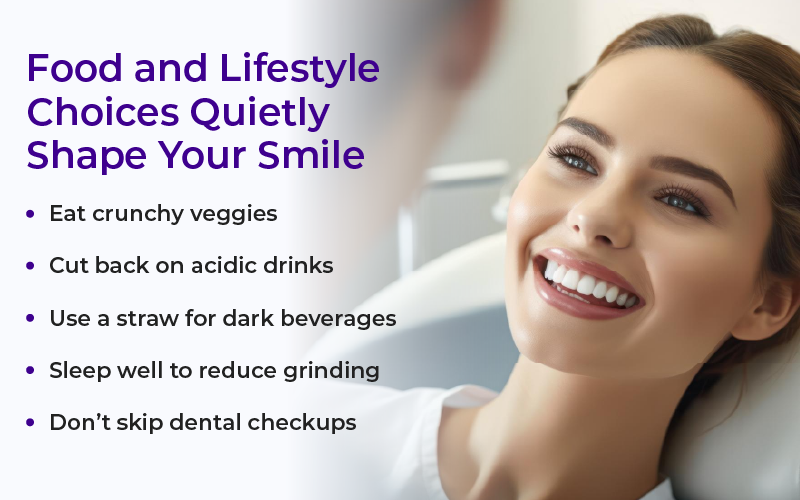
Your day-to-day habits leave a trail behind. Examples include coffee stains. Smoking. Drinking a lot of sugar. Stressful teeth gritting – all things that show that you are not looking after your mouth if you do any of these in excess.
It doesn’t mean you need to become some health-and-wellness person who starts their day with celery juice. Don’t go there! It just means that balance is necessary.
Some great ideas for achieving a healthy smile are:
- Consume crisp vegetables that will enhance saliva secretion
- Limit the consumption of acidic drinks, where an option is available
- Use a straw for beverages that can stain teeth
- Get enough restful sleep to limit grinding due to stress
- Make regular dental appointments; don’t wait until there is a problem, creating pain
Is this condescending advice? Perhaps.
Is it effective? Extremely.
Confidence Changes the Way People See Your Smile
Here’s what is striking about this research.
Research also indicates that confident smiles are more desirable to most people in terms of beauty; therefore, if someone’s teeth do not satisfy beauty standards, then the person will still enjoy an attractive smile because it demonstrates warmth, eye contact, and authenticity, even if they think negatively about how they look with their teeth.
It can be very liberating for you to realize that people who naturally connect with others are not constantly analyzing their smiles and are living in the present moment.
Being present is very appealing to the person being smiled at, and being present cannot be manufactured.
Final Thoughts
A happy, beautiful smile has happier gums. Less pain. More confidence in pictures. You will be able to comfortably laugh without covering your mouth. You don’t have to worry that everyone is staring at the one tooth that you think all the time, but no one else notices as much as you do.
When thinking about how you are going to get a fantastic smile, starting with something smaller than you think about it is better. Start with a healthy smile; next, relax the tension in the smile; then decide what changes truly mean something to you, not what the latest trend has shown up on your social media feed this week.
They look like they have been lived in. Comfortable. Real.
And honestly, people can tell the difference.
Frequently Asked Questions
Sure, most people don’t smile badly; they’re just nervous. A natural smile comes from being comfortable and not forcing yourself to shape your lips the right way! Simple techniques like calming down your jaw, recalling a positive experience, and keeping your teeth in good shape can be great first steps towards developing a nice-looking smile over time!
To put it plainly: The first thing to do is to take care of your mouth. The second thing to do is to make a minor change you’ve been delaying.
Many people put off dental appointments as they don’t want to appear anxious or unkempt. In contrast, some opt to whiten their teeth, repair a broken tooth, wear their braces as prescribed, or get back into the habit of good oral health practices. People’s confidence increases once they stop trying to conceal their smiles.
Frequently no! Healthy gums and teeth, along with regular oral hygiene and preventive care, will contribute to good overall oral health.
Aesthetic dental procedures can help boost some people’s self-confidence, but they aren’t the best way for everyone. Regular brushing, flossing, macronutrient intake, and frequent visits to your dentist are often enough to create positive changes in your smile.
Several very simple things can make a huge impact on your oral health.
Brush your teeth with fluoride toothpaste at least two times each day
Floss your teeth each night before bed, regardless of how tired you are
Drink plenty of water throughout the day to stay hydrated
Limit your consumption of sugary and acidic beverages when you can
Go to the dentist regularly, regardless of whether you are in pain
Even though these things may seem very basic, they are the building blocks for an amazing smile over the long term.
There is no single “perfect” shape for a smile. The best way to determine if you are smiling correctly is to consider how genuinely you are enjoying yourself by smiling. If the way your teeth and gums look or feel makes you anxious, stressed, or uncomfortable, please consider discussing your concerns with a dentist to address possible problems with your oral health or alignment.
Remember, perfection is unattainable; the ultimate goal is simply to feel comfortable and confident in your smile.